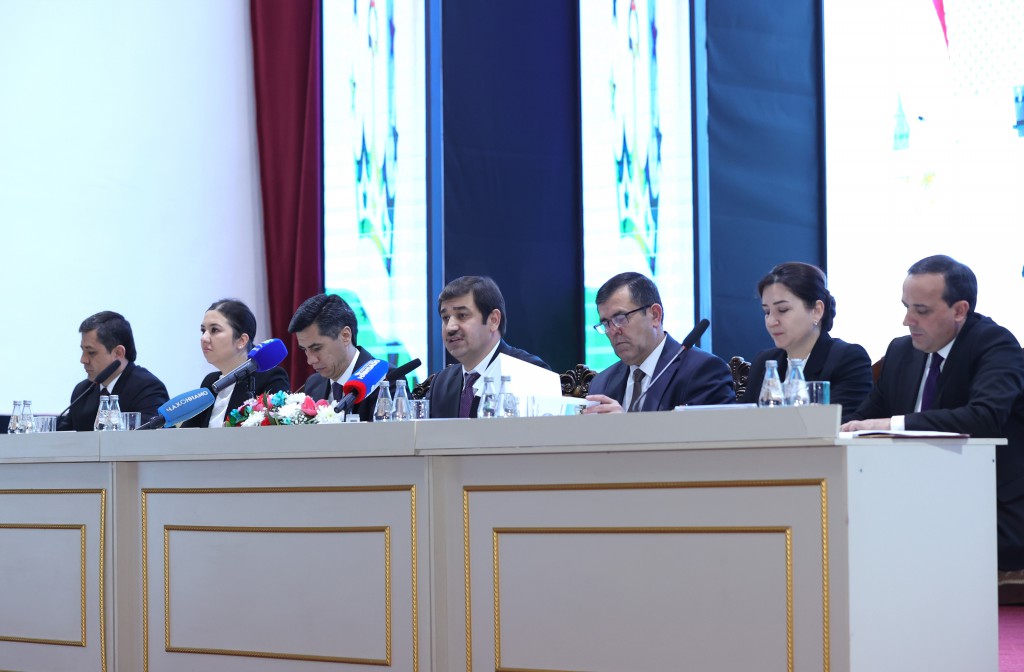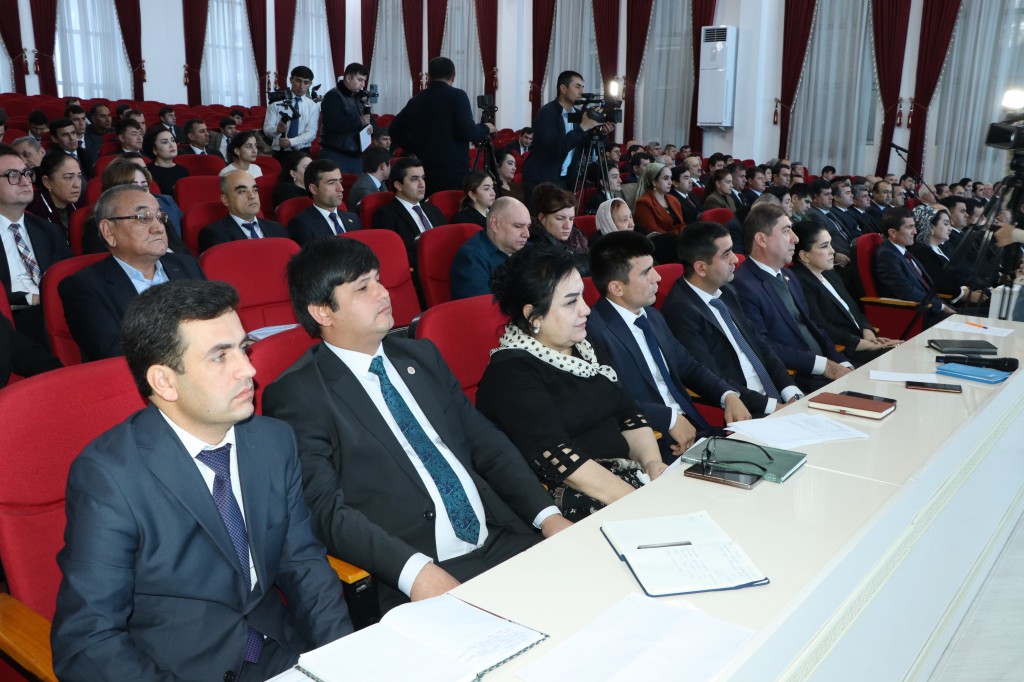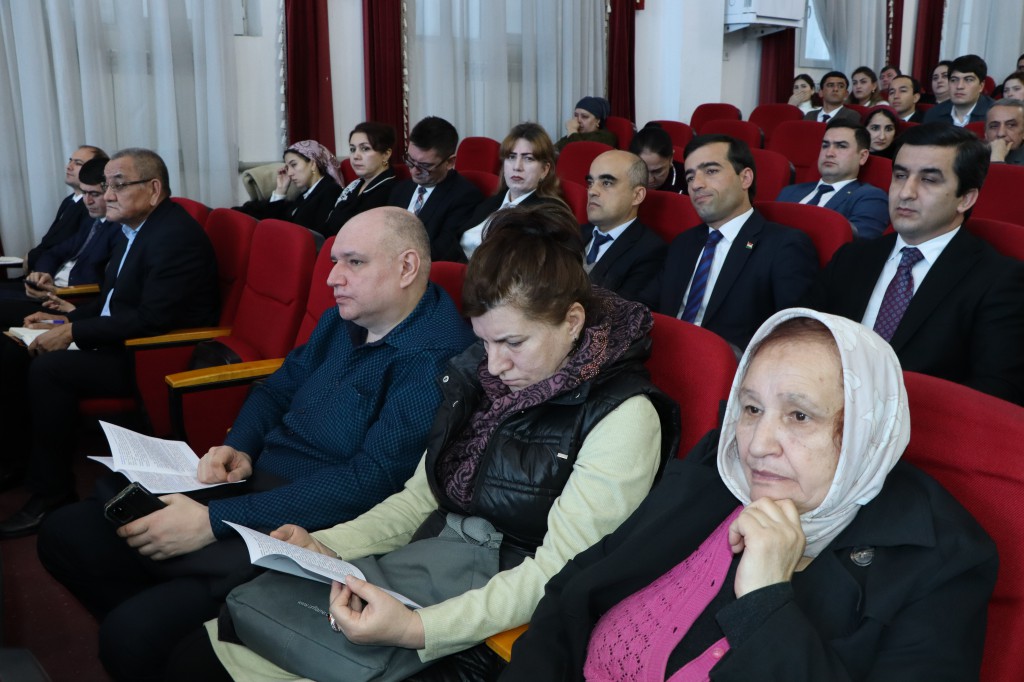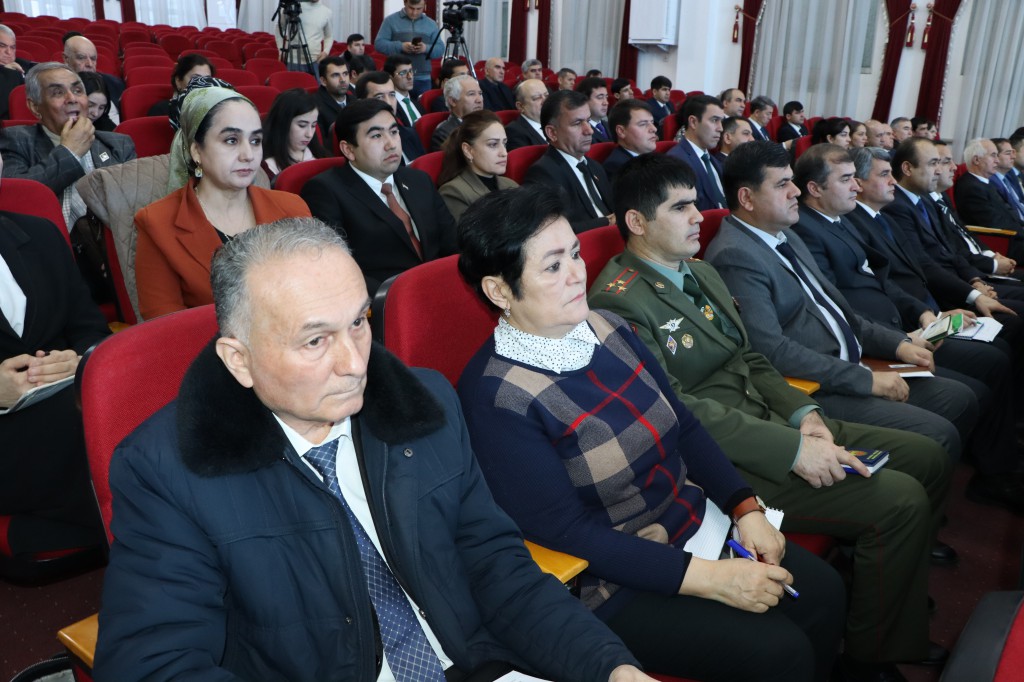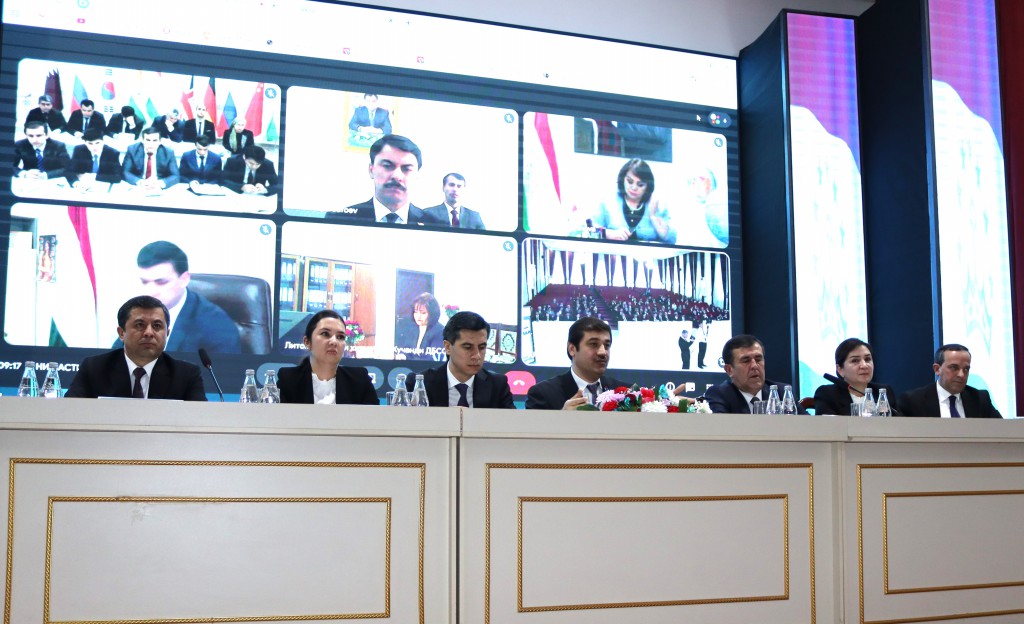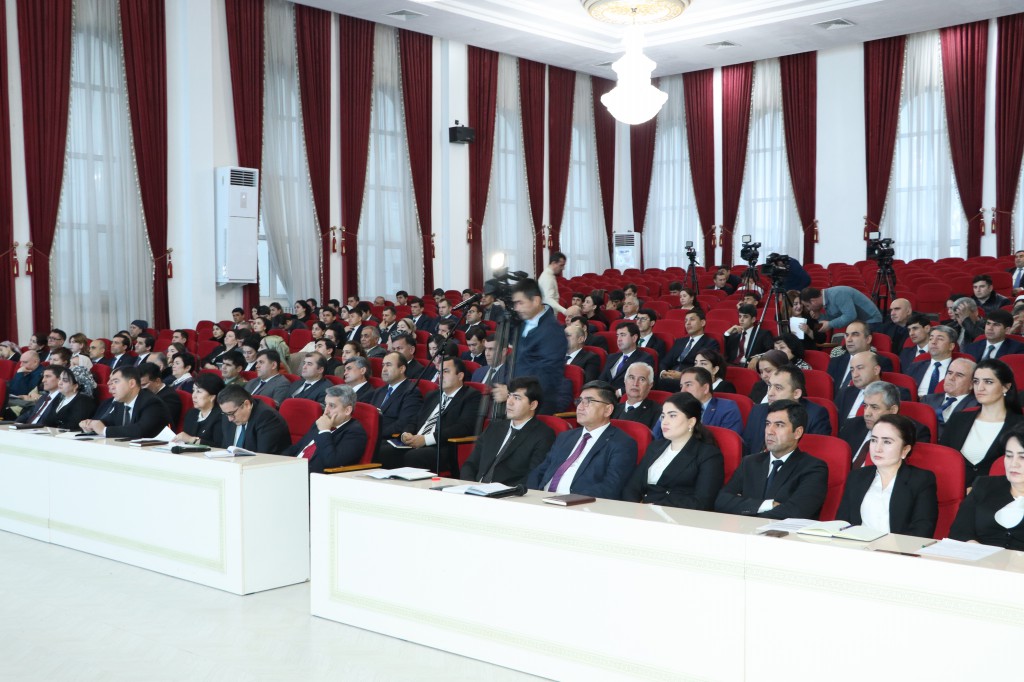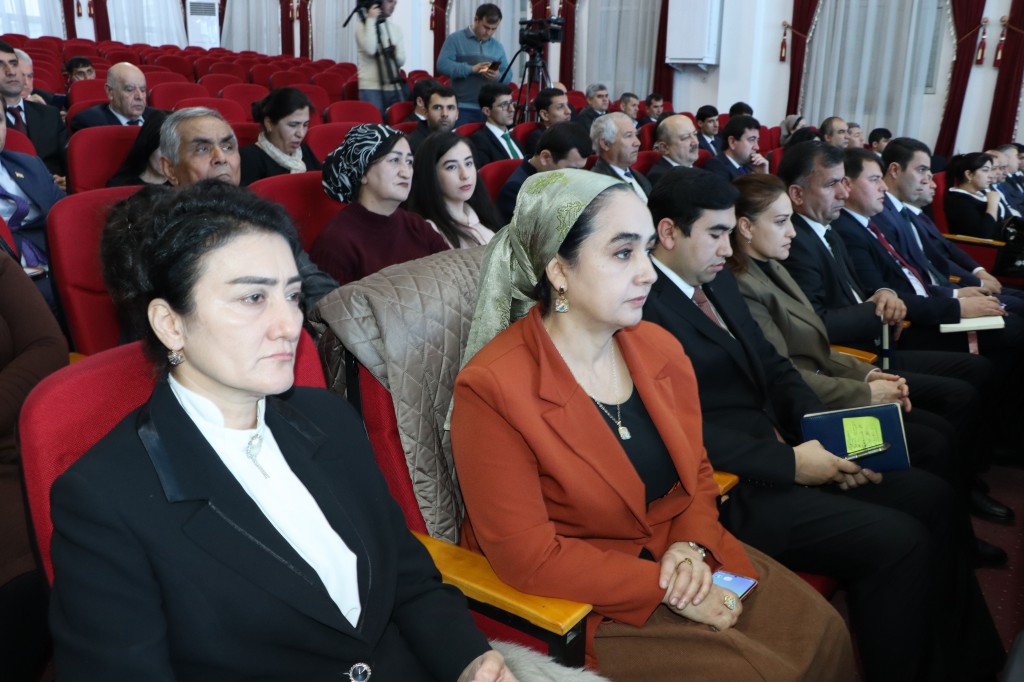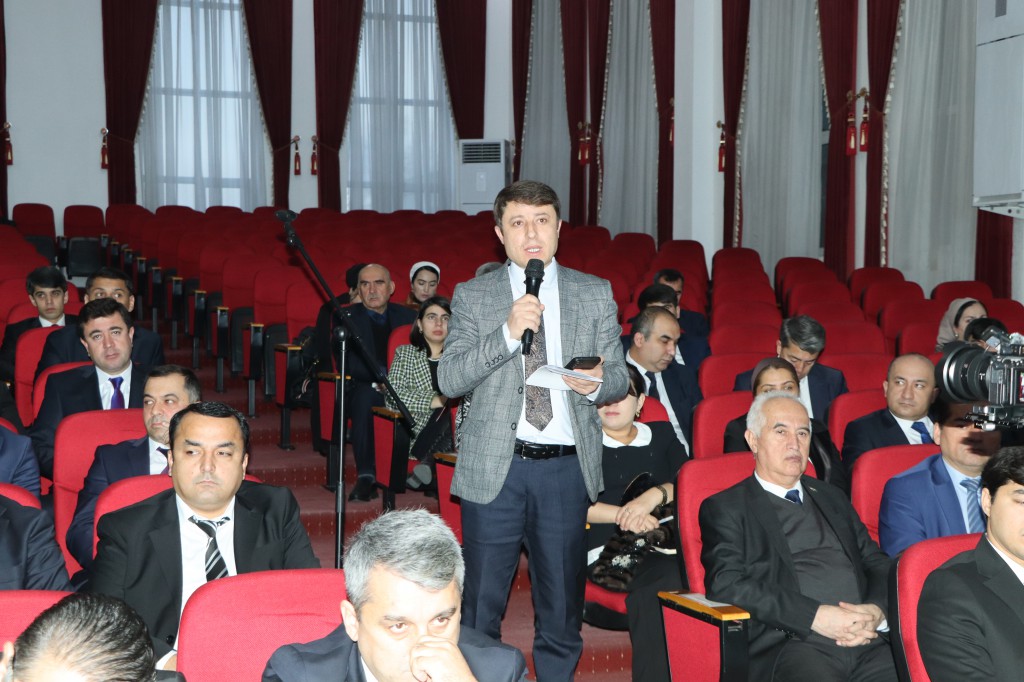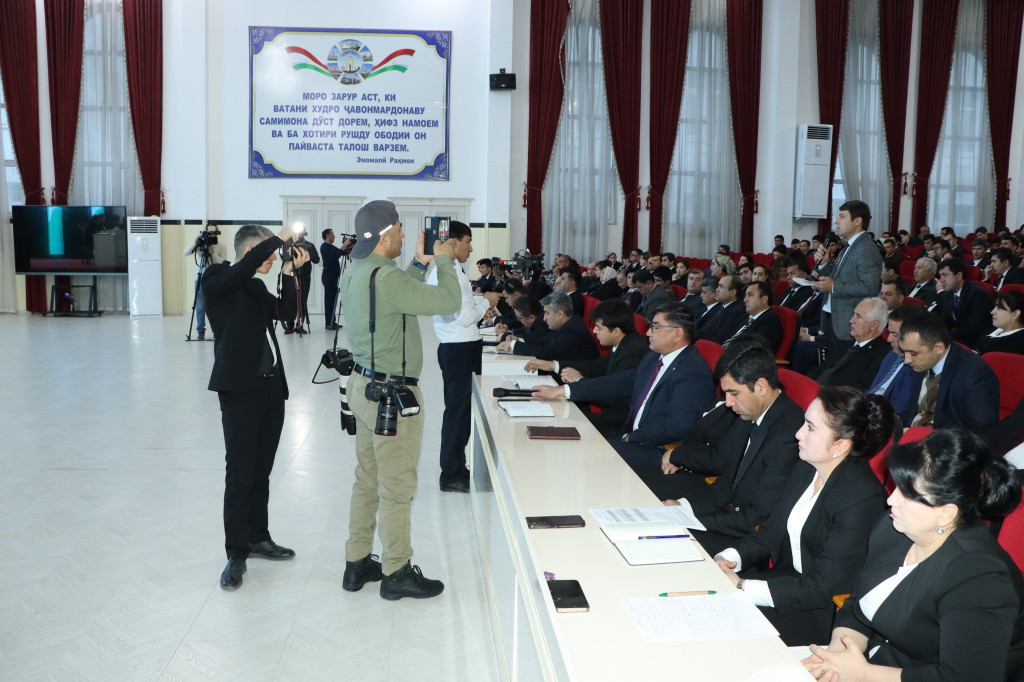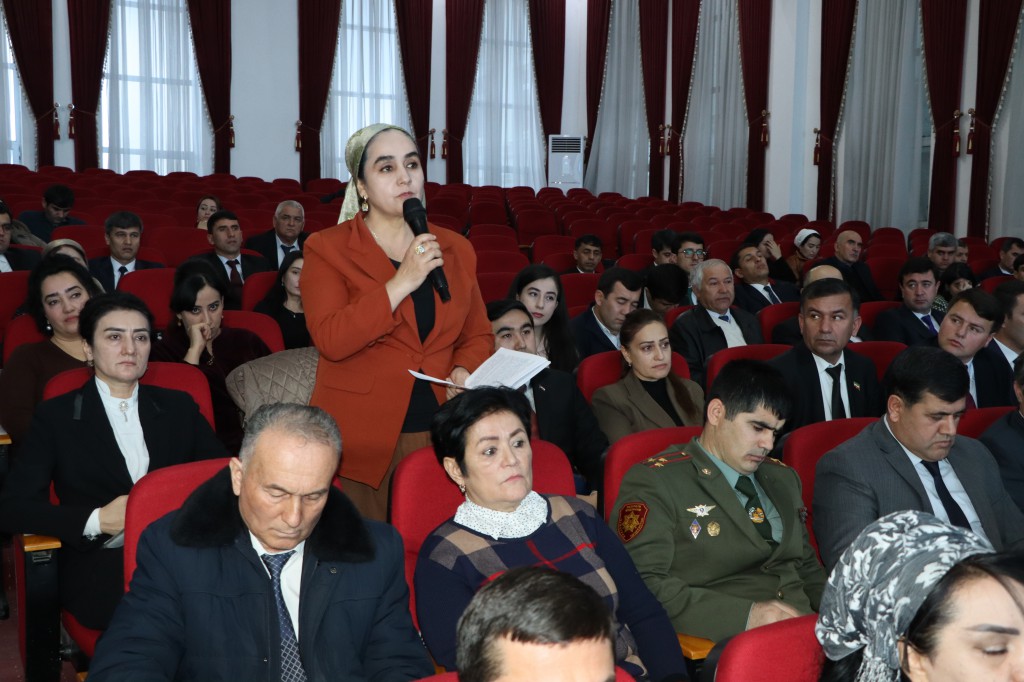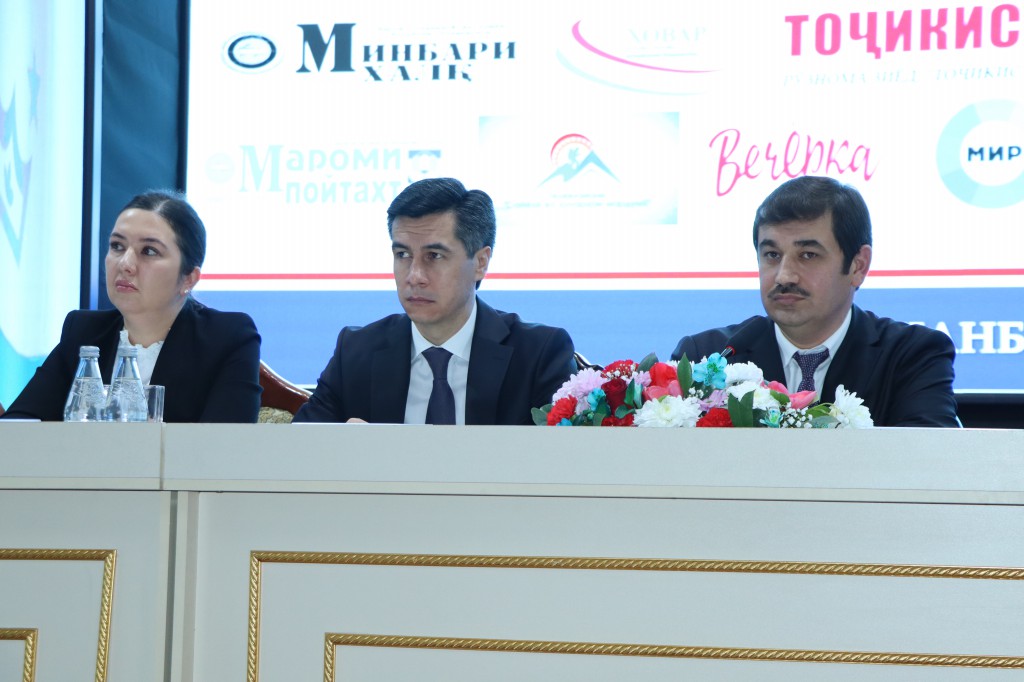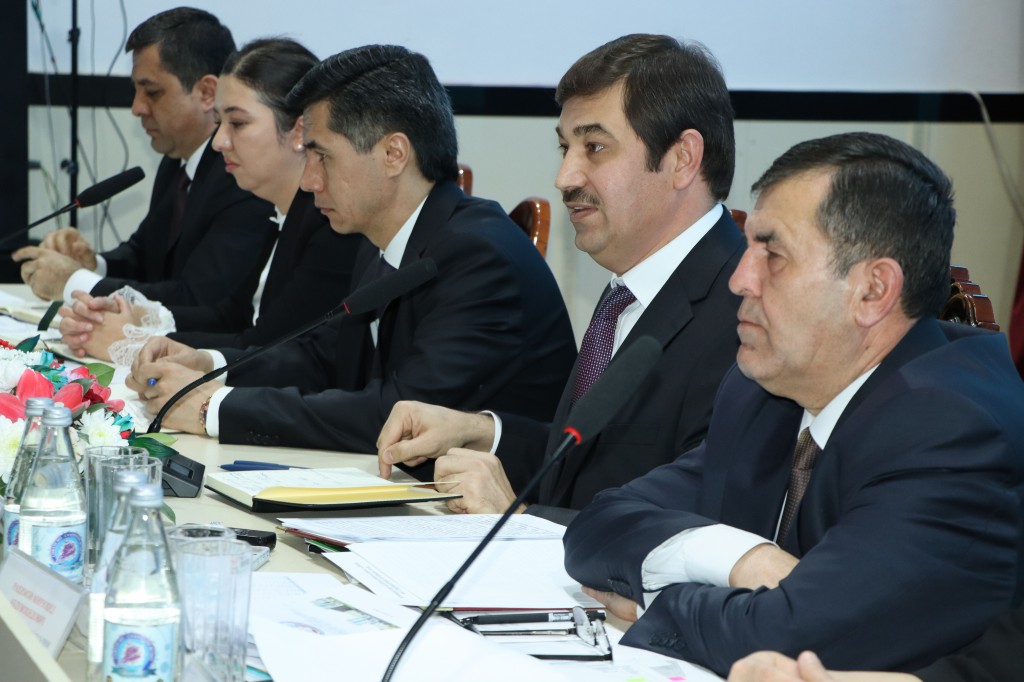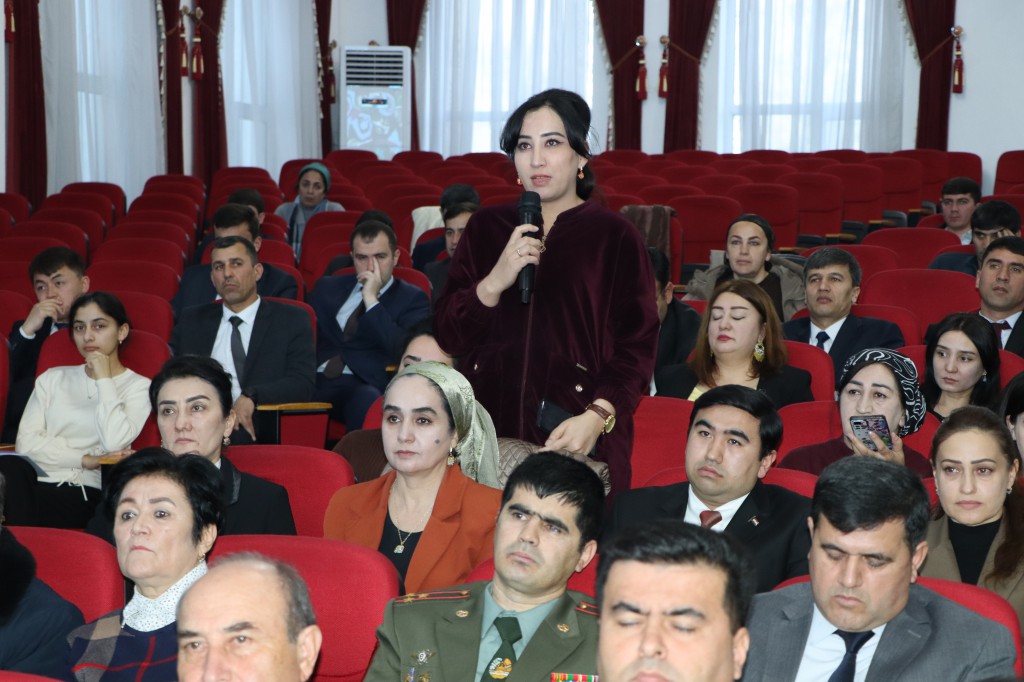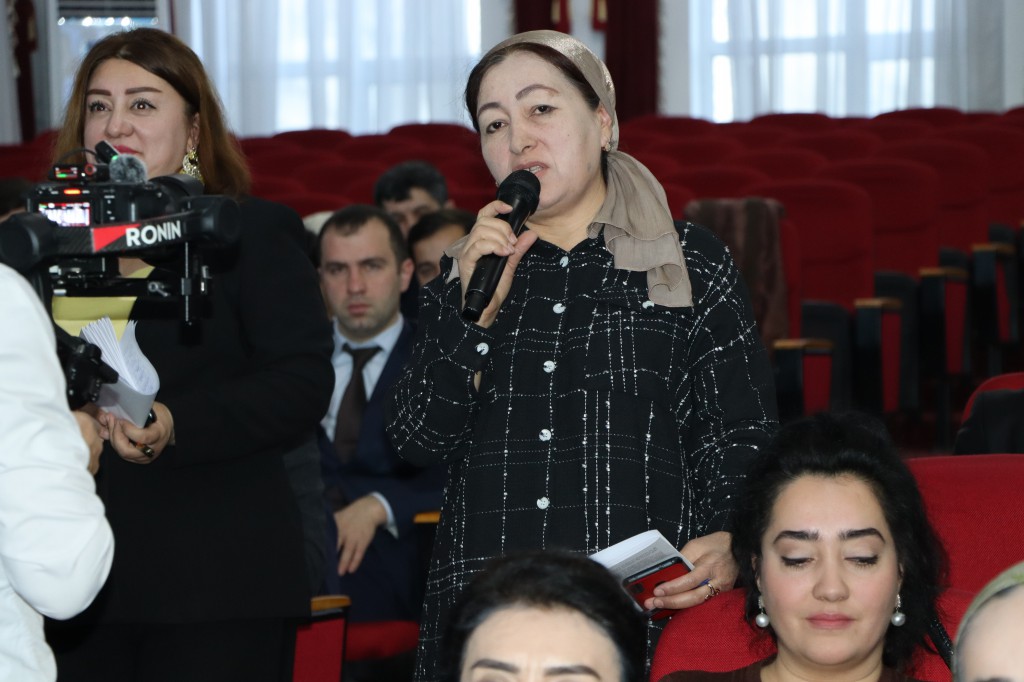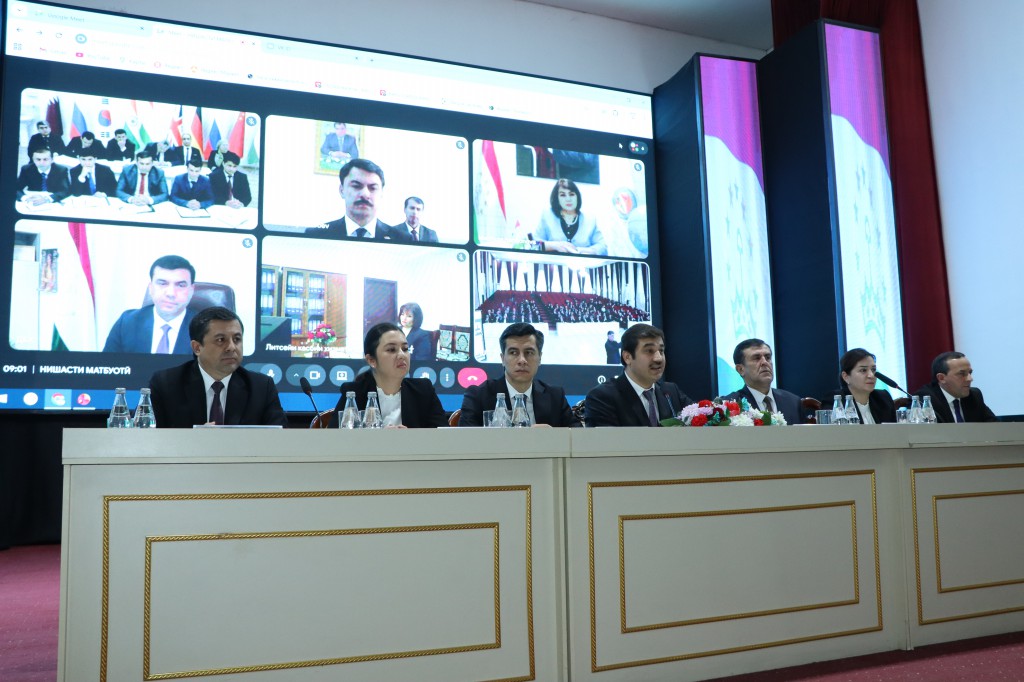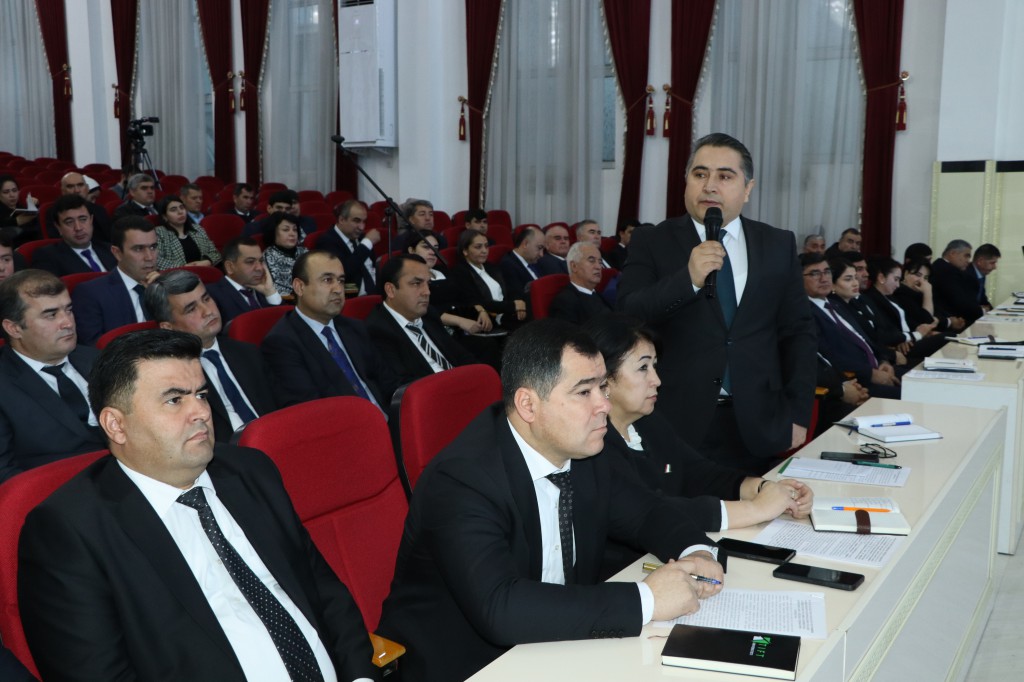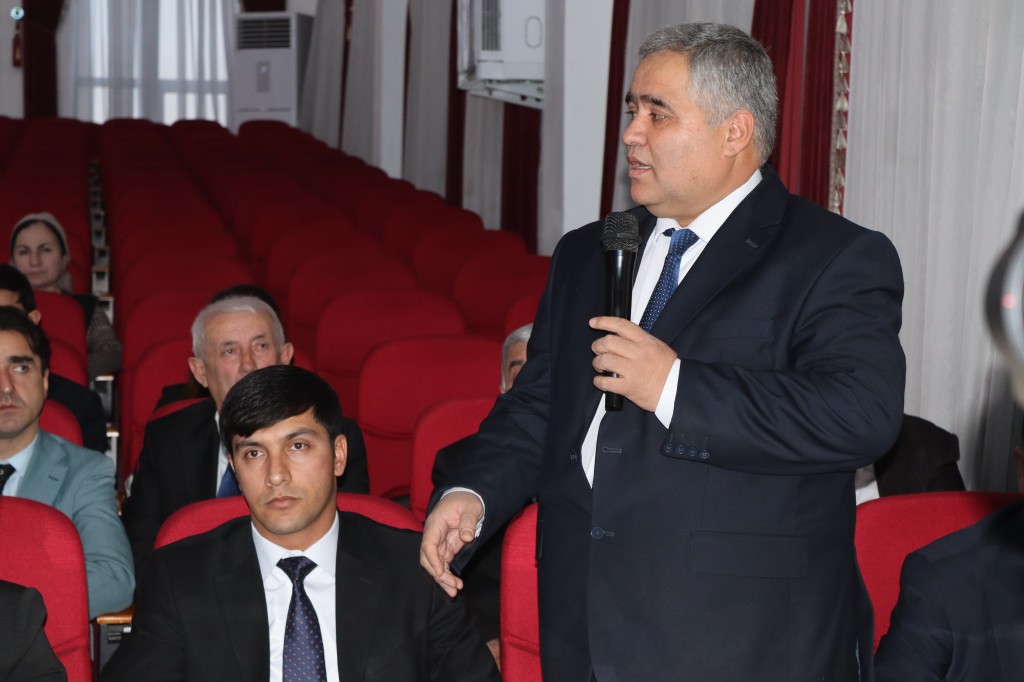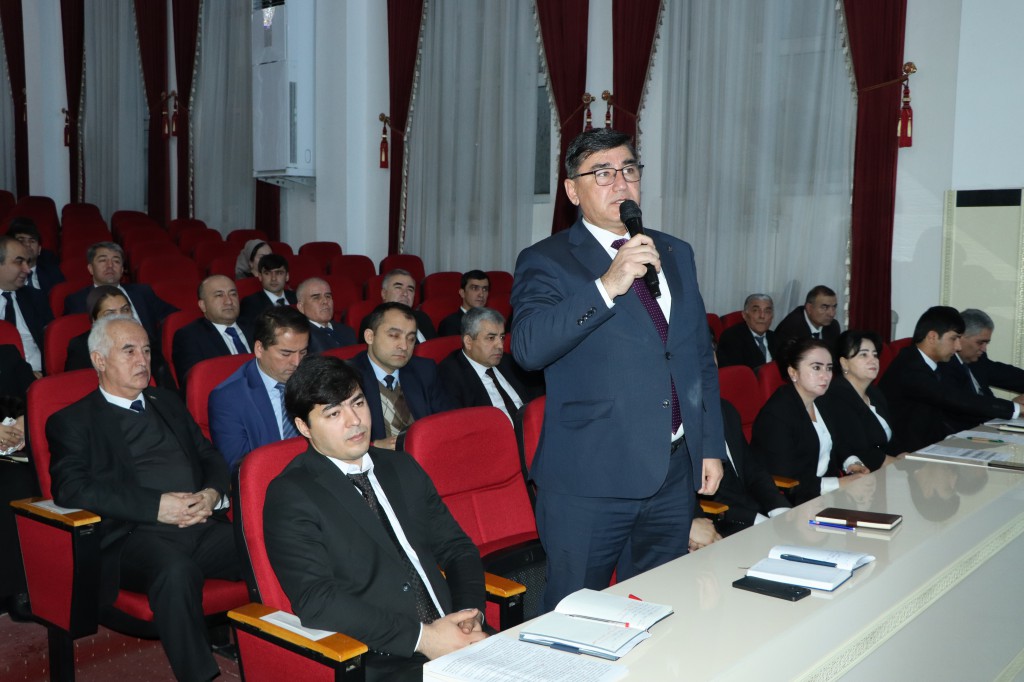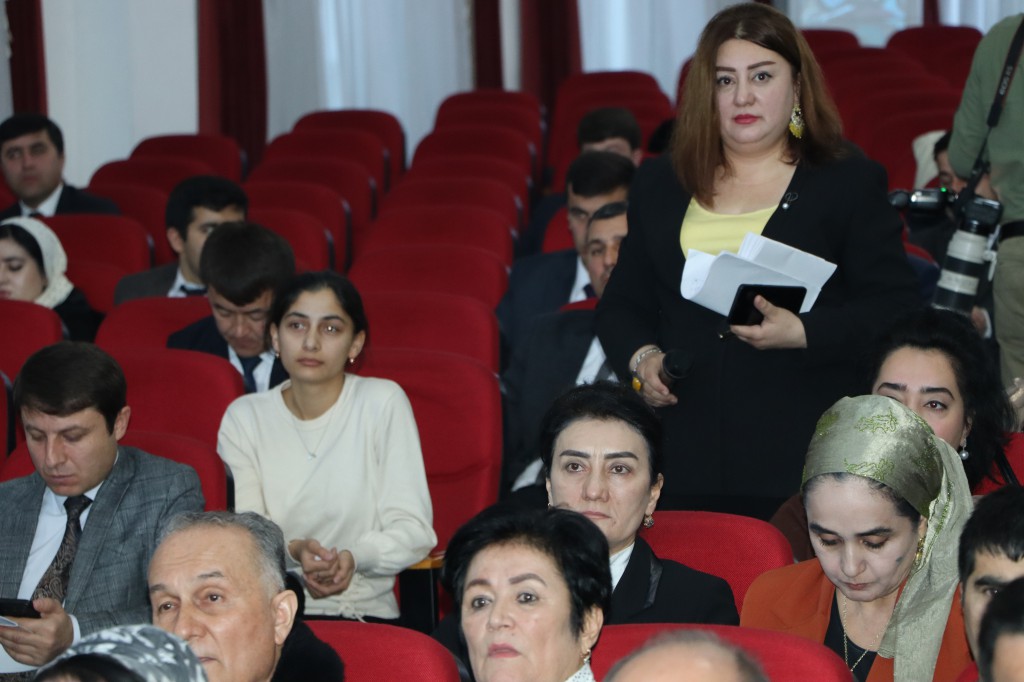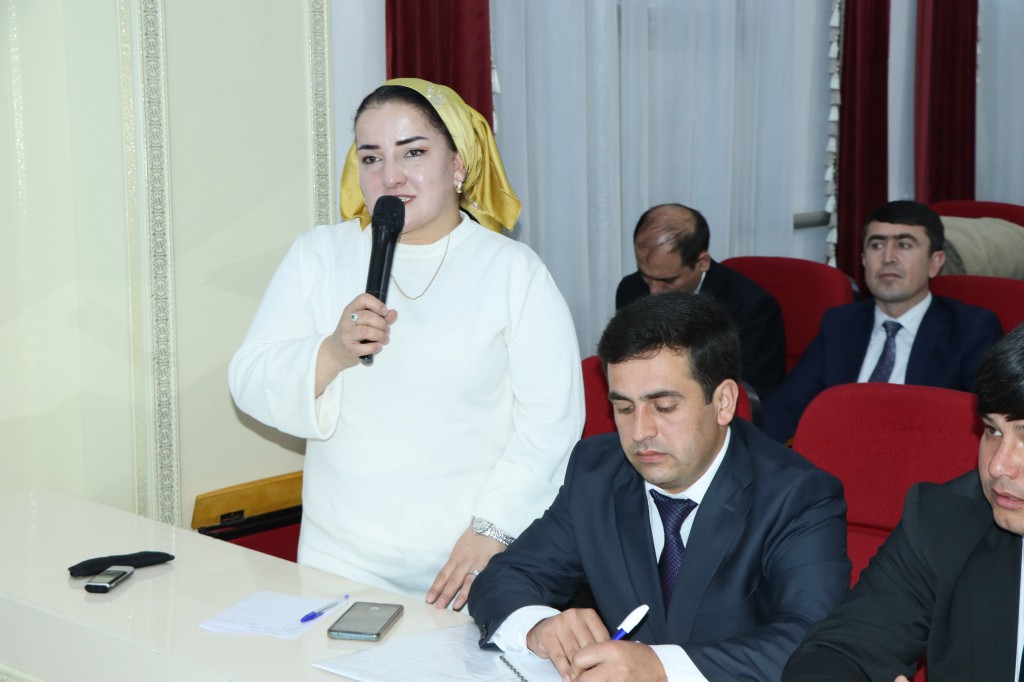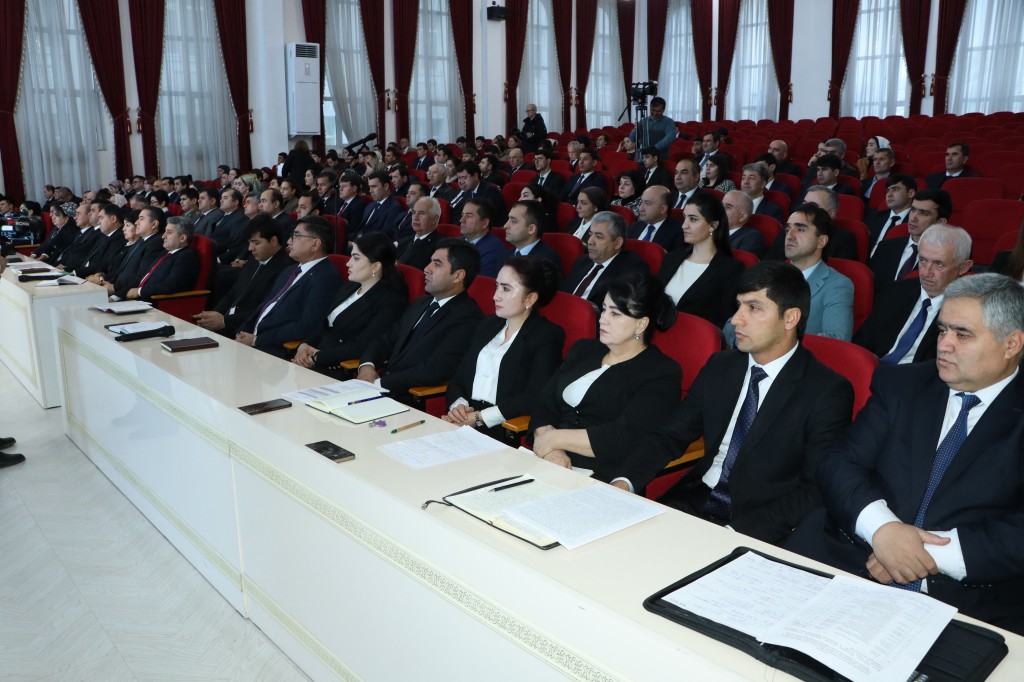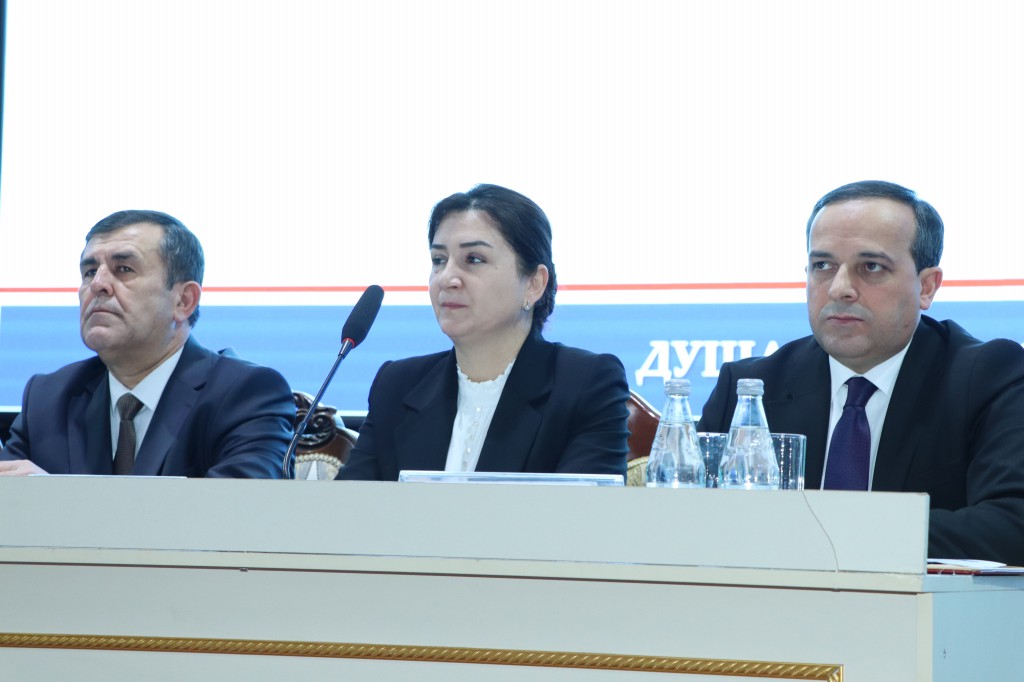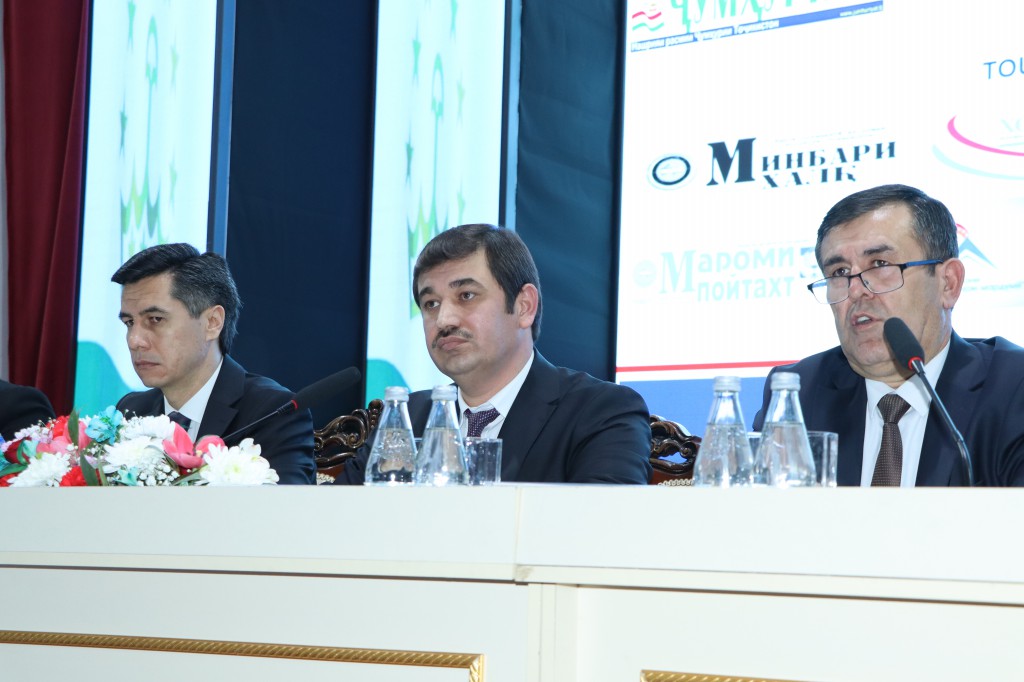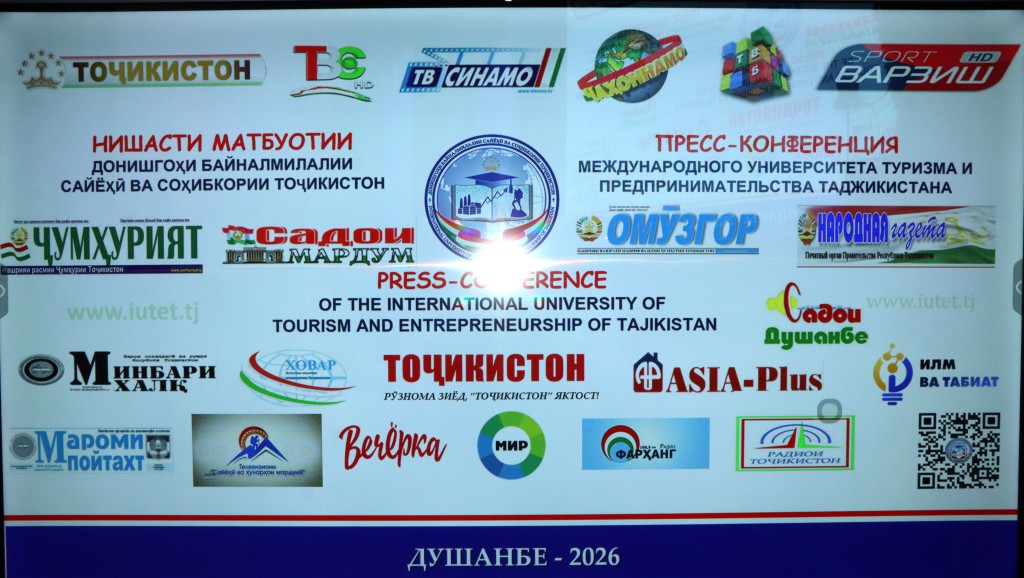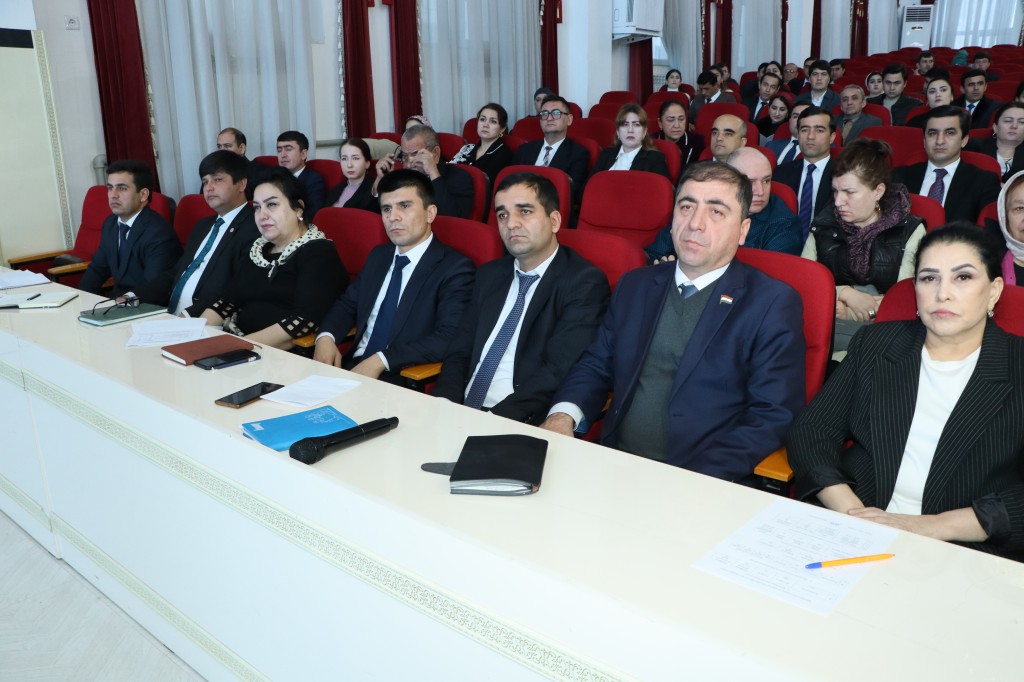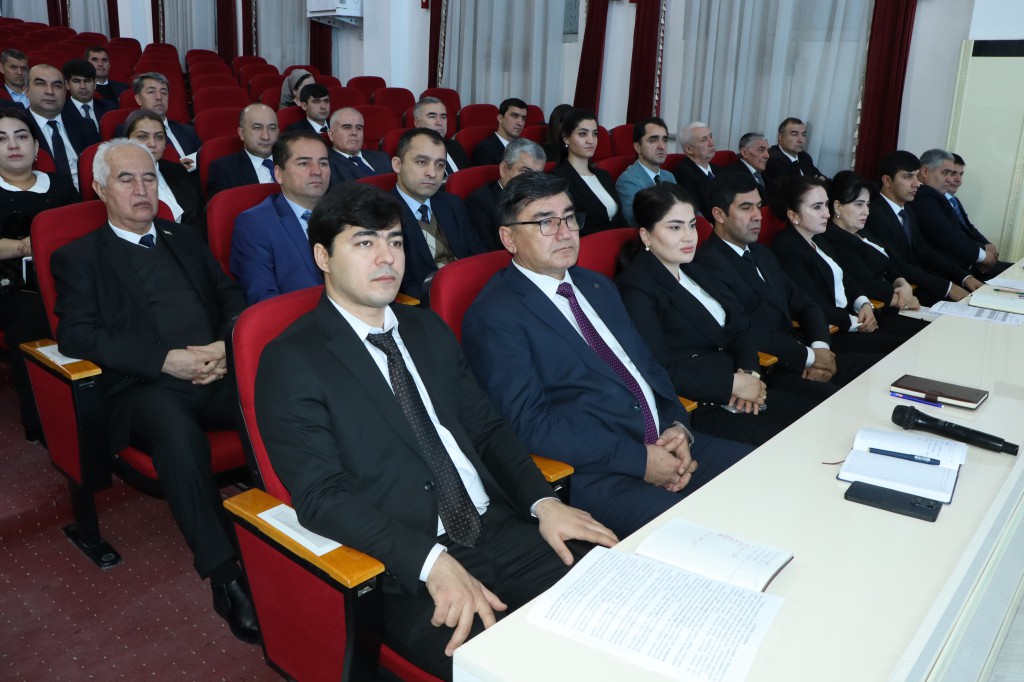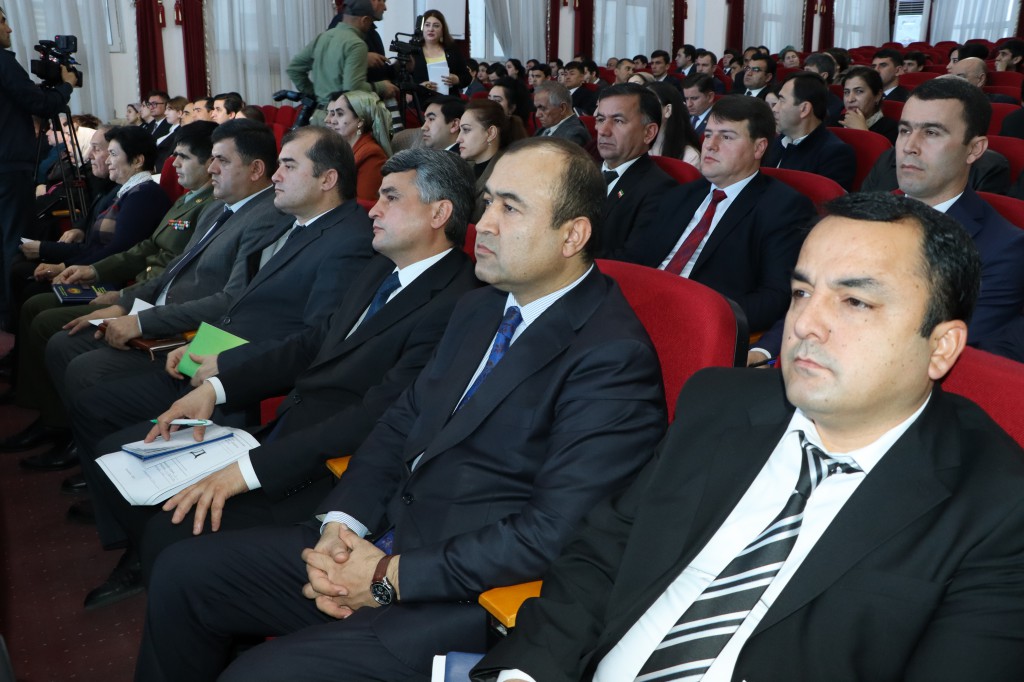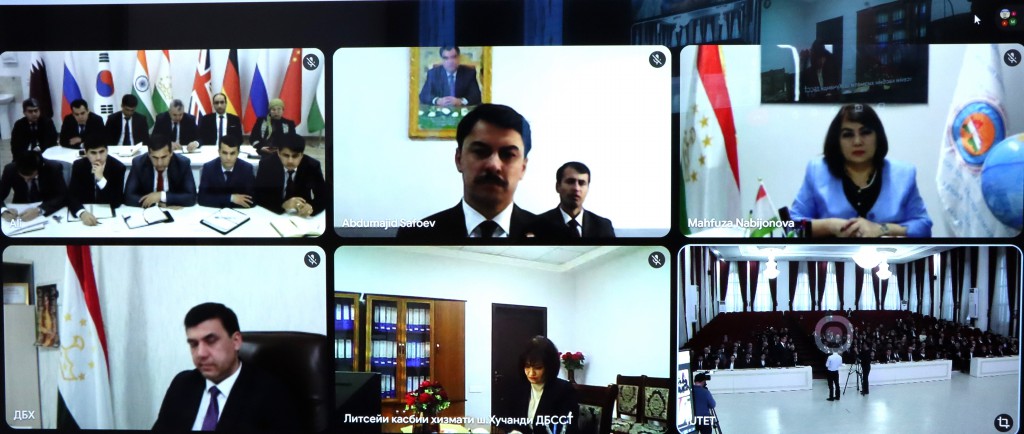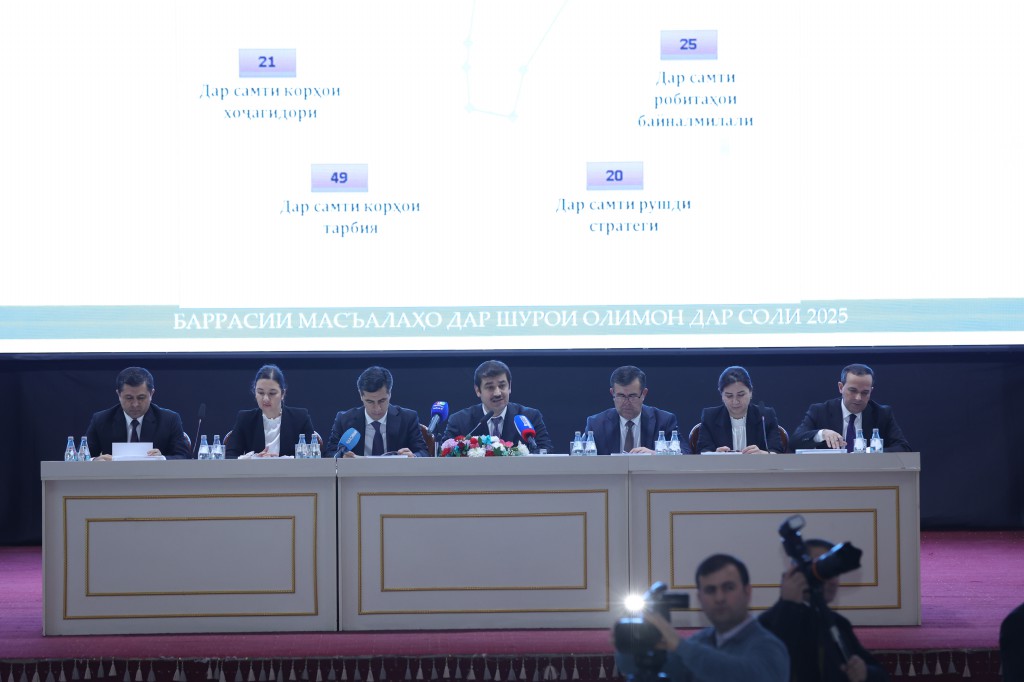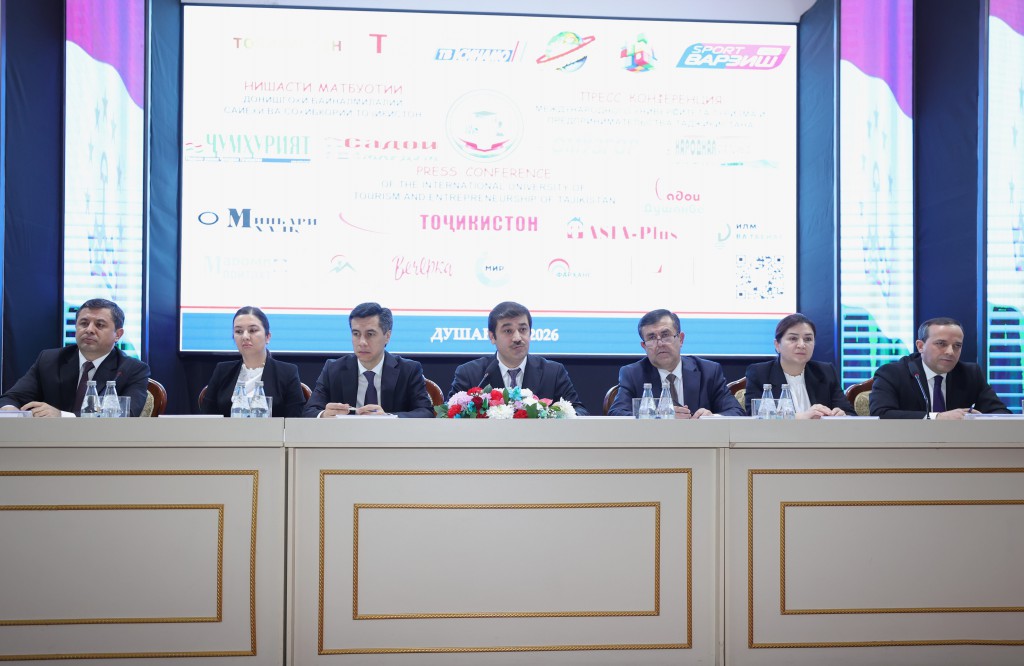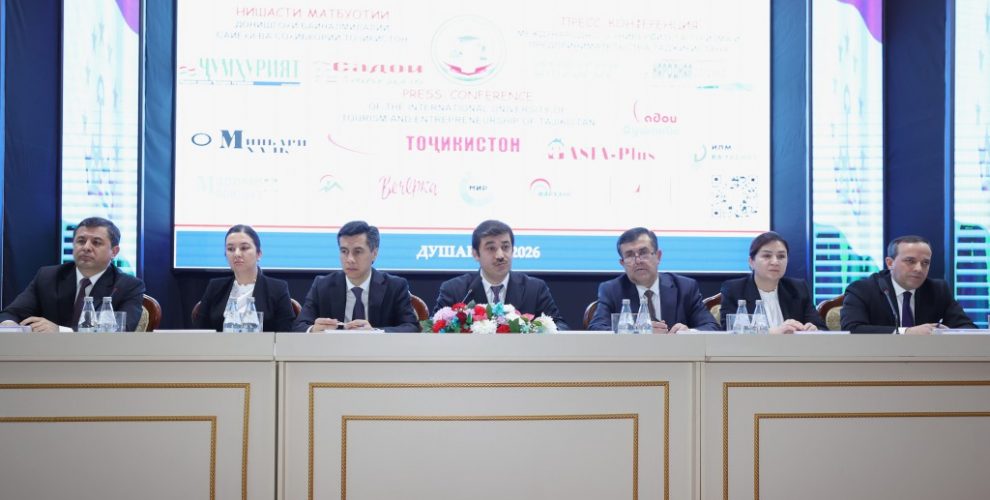
On February 2, 2026, a press conference was held at the International University of Tourism and Entrepreneurship of Tajikistan. It was attended by vice-rectors, heads of departments and various structural divisions, rectors of the International Institutes in the cities of Levakant, Khujand, and the Dangara district, directors of research and educational institutions, centers, colleges and lyceums, as well as more than 70 representatives of domestic and foreign media outlets.
The press conference was opened by the Rector of the University, Professor Asrorzoda Ubaydullo Sattor, who welcomed the media representatives and expressed gratitude for their continued cooperation. It was noted that mutually beneficial interaction with the mass media had, within a short period of time, given a significant boost to the development of the institution.
The Rector then presented a detailed report on the activities of the State Institution “International University of Tourism and Entrepreneurship of Tajikistan” for 2025.
Professor Ubaydullo Asrorzoda emphasized that 2025 became a landmark year for the university’s staff and opened a new chapter in the institution’s development.
The visit of the Founder of Peace and National Unity — Leader of the Nation, President of the Republic of Tajikistan, Emomali Rahmon, to the university and his speech on the occasion of Knowledge Day and the Lesson of Peace were regarded as a clear sign of the continuous attention of the country’s top leadership to the development of science and education.
During the visit of the Leader of the Nation, an 8-story academic building, a 3-story building, a 5-story dormitory, a training and production sewing center, as well as a number of modern centers and laboratories meeting national and international standards were commissioned.
In his speech, the President noted that “the International University of Tourism and Entrepreneurship of Tajikistan, as the first higher professional education institution with international status in the country, with the support and constant attention of the Government, has in recent years become a leading center for training competitive specialists under a multi-level education system.”
It was emphasized that a deep understanding of the constructive and forward-looking guidance of the Leader of the Nation encourages the university’s structural units to implement a set of organizational and practical measures to further strengthen the institution’s activities in all priority areas.
According to the Action Plan for the implementation of the Leader of the Nation’s instructions, approved on November 25, 2025, ongoing measures are envisaged to ensure the effective operation of the Skills Development Center, improve the university’s digital management system, establish a Tourism Academy on the basis of the Institute of Tourism, construct new academic buildings, and carry out other assignments.
It was noted that in 2025 the Law of the Republic of Tajikistan “On Higher Professional Education Institutions with International Status” was adopted, signed on December 17, 2025, and entered into force.
It was proudly highlighted that ensuring sustainable development is one of the university’s strategic priorities. As a result of the timely implementation of the Leader of the Nation’s instructions, the university actively participated in the global “Green Universities” ranking, entered the list of the world’s best universities, and ranked first in the country.
Within the framework of digitalization, and with the attraction of more than 10 million somoni in foreign investment, a transformation process into a “Smart University” has been launched, with some elements already operational. This enables the digital management of all areas of activity and the introduction of modern monitoring standards.
The university’s academic policy is aimed at enhancing the status of teachers, continuously developing professional competencies, and forming a sustainable and competitive educational environment.
In 2025, the following results were achieved:
– the number of academic staff increased to 1,535 positions (414 more than the previous year);
– 20,129 students are enrolled in 692 academic groups;
– the number of specialties increased from 77 to 101;
– 96 new agreements were signed with enterprises and organizations;
– a job fair was held with the participation of more than 100 companies (over 3,500 vacancies offered);
– the University Development Strategy until 2040 is being implemented;
– documents were prepared for participation in the national ranking, and work is underway to enter the QS and Times Higher Education international rankings;
– 5 scientific journals were published (3 registered in international databases);
– 32 faculty members defended doctoral and candidate dissertations;
– 4,374 scientific articles were published;
– 4 olympiads and 5 international conferences were held;
– 216 educational materials were published, including 101 scientific monographs;
– 473 scientific events were organized (including 26 international conferences);
– the university won first place in the city competition “Best Library”;
– a cooperation agreement was signed with the UK Universities Consortium (NCUK);
– an application was submitted for international accreditation to the UK Quality Assurance Agency for Higher Education (QAA);
– the university became a member of the International Sustainable Tourism Development Association;
– the project “Development of Smart Tourism and Entrepreneurship Education” received support from the Islamic Development Bank;
– 36 new international agreements were signed (283 active agreements in total);
– 204 students studied abroad under exchange programs;
– students won 18 medals at international olympiads;
– more than 410 educational and cultural events were held;
– 586 specialists completed professional development courses;
– master classes were conducted with the participation of international experts.
In conclusion, the Rector noted that the results achieved during the reporting period are significant; however, systematic efforts must continue to further implement the University Development Strategy through 2040.