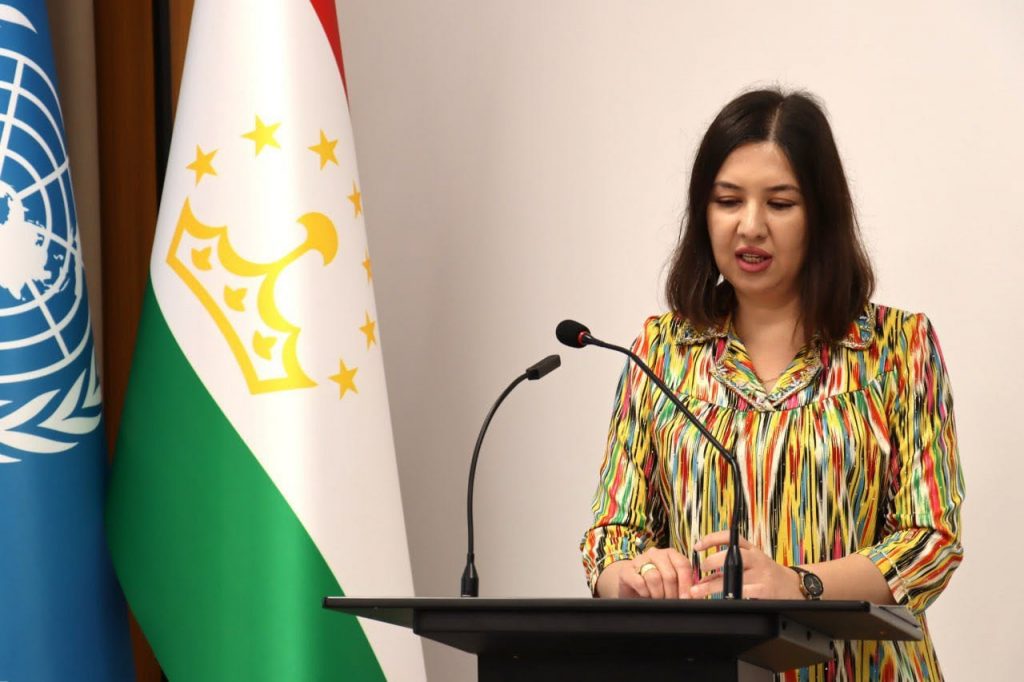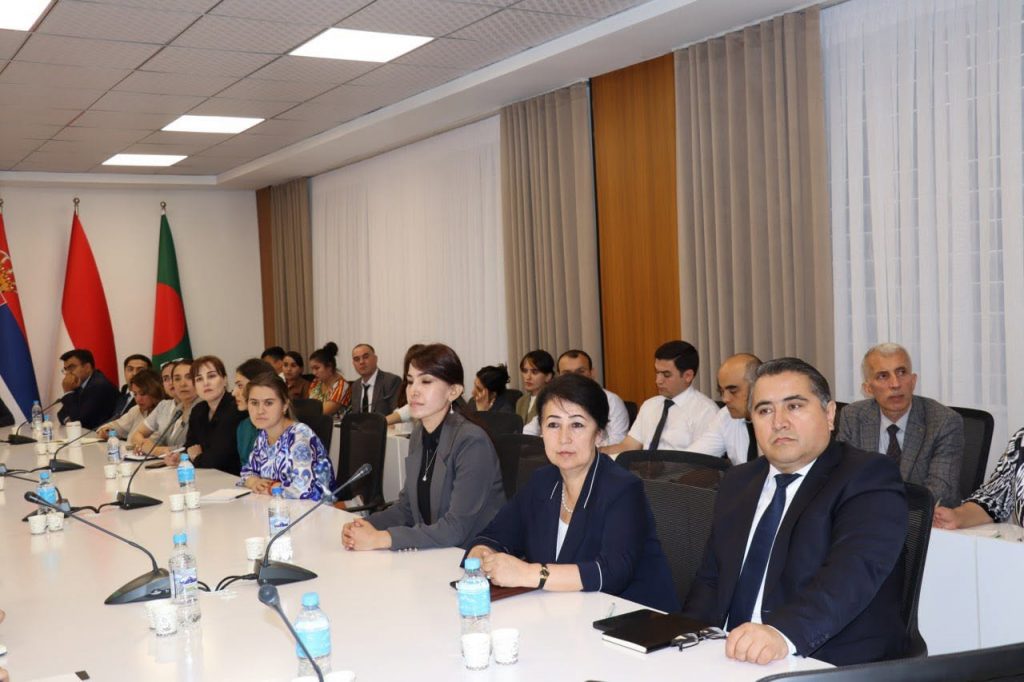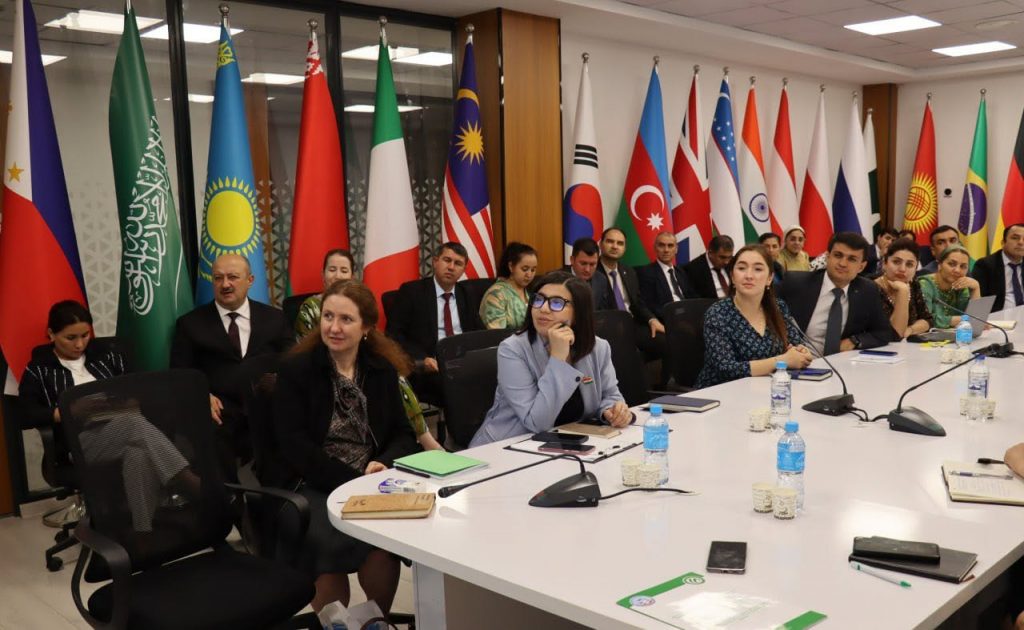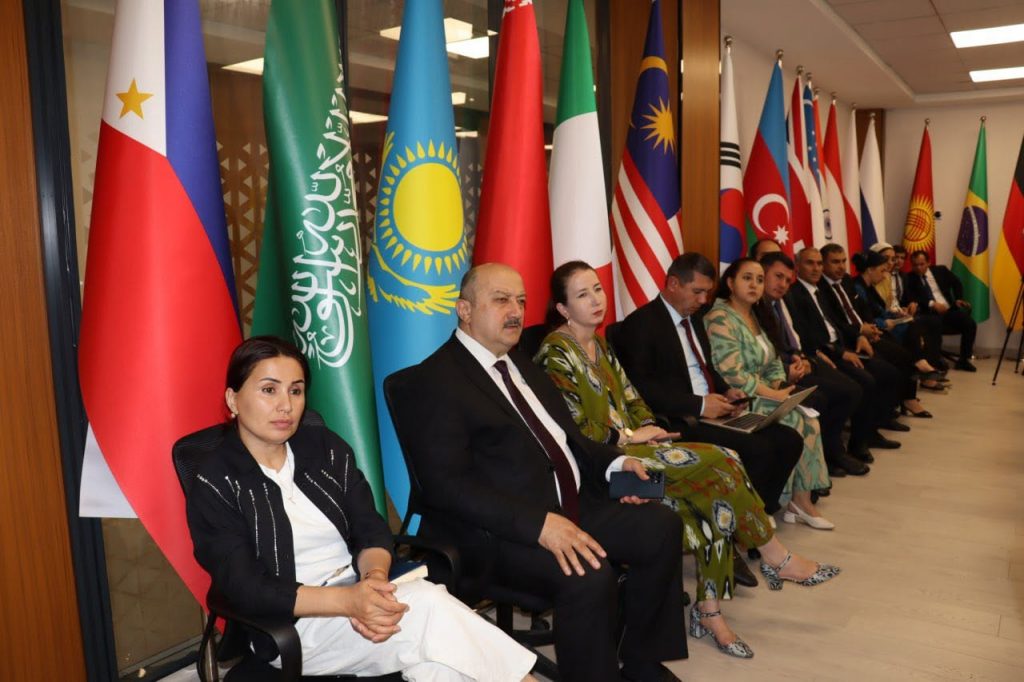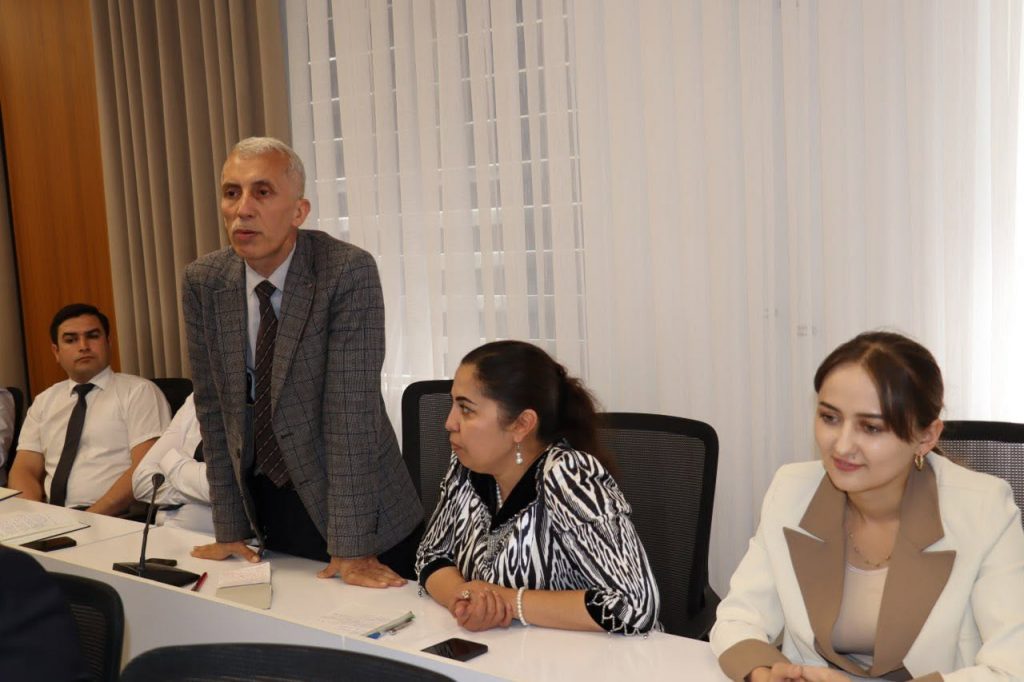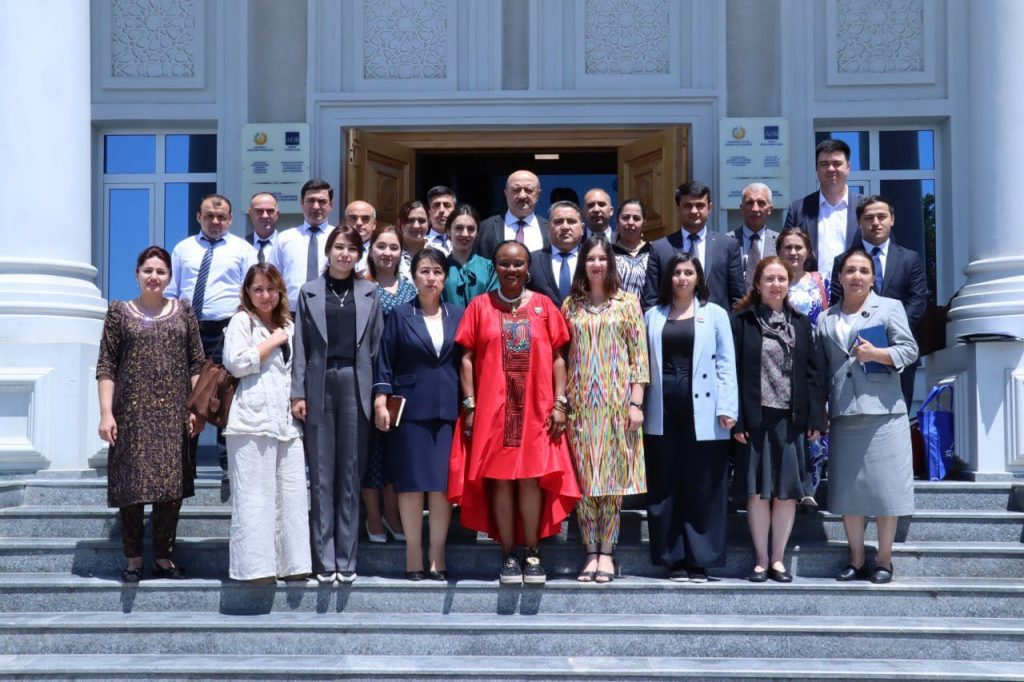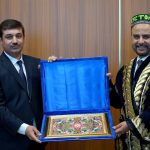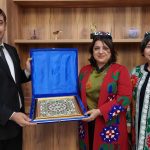
On May 28, 2026, at the initiative of the administration of the International University of Tourism and Entrepreneurship of Tajikistan and with the participation of the Secretary General of the Ramsar Convention, Dr. Musonda Mumba, a scientific seminar was held on issues related to water resources and wetlands of international importance. Faculty members, university staff, and heads of subordinate institutions actively participated in the event.
The seminar was opened by the Vice-Rector for Strategic Development, Professor Zulfiya Qurbonzoda, who provided participants with brief information about the Ramsar Convention, its objectives, and the circumstances surrounding its adoption.
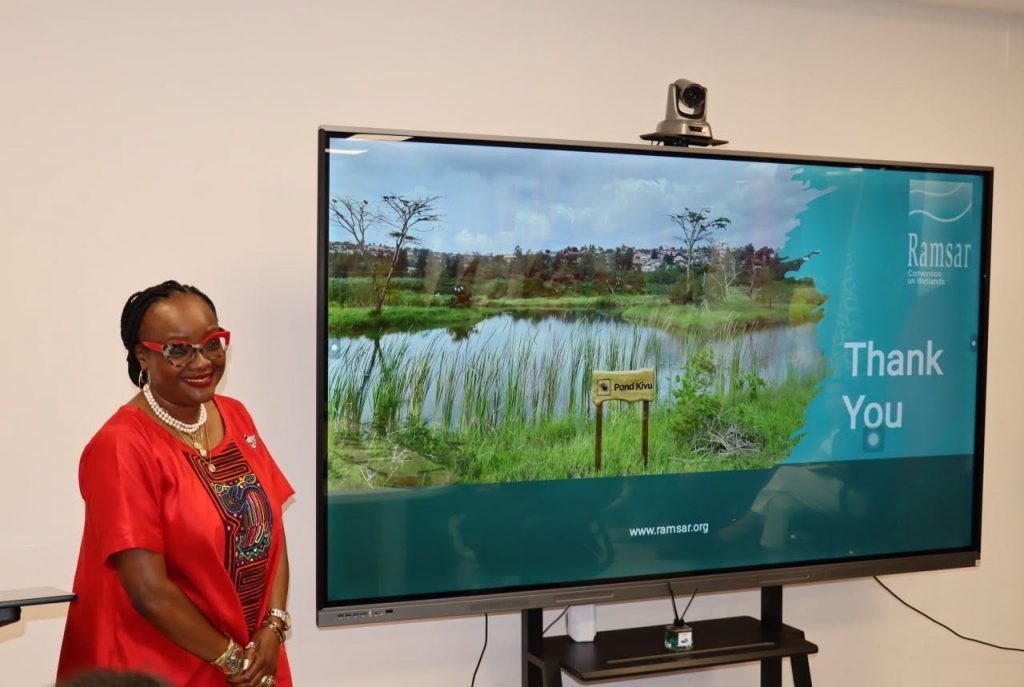
The floor was then given to Dr. Musonda Mumba, who captured the audience’s attention through a presentation containing valuable and informative materials. During her speech, she noted that the Convention was signed on February 2, 1971, in the city of Ramsar, Iran, and entered into force in 1975. She also explained that February 2 is celebrated annually as World Wetlands Day.
The primary objective of the Convention is the conservation and wise use of wetlands, aquatic and marsh ecosystems, and their resources through local, national, and international cooperation. Wetlands of international importance are included in a special list, which currently contains more than 2,400 sites worldwide.
The international expert also spoke about her professional experiences in research activities and working visits to various countries, sharing valuable recommendations regarding the study of water resources and internationally significant wetlands. In particular, she described the initiatives of the Government of the Republic of Tajikistan, under the leadership of President Emomali Rahmon, concerning glacier protection at United Nations forums as unique and highly significant, describing Tajikistan as a leading country in promoting global environmental initiatives.
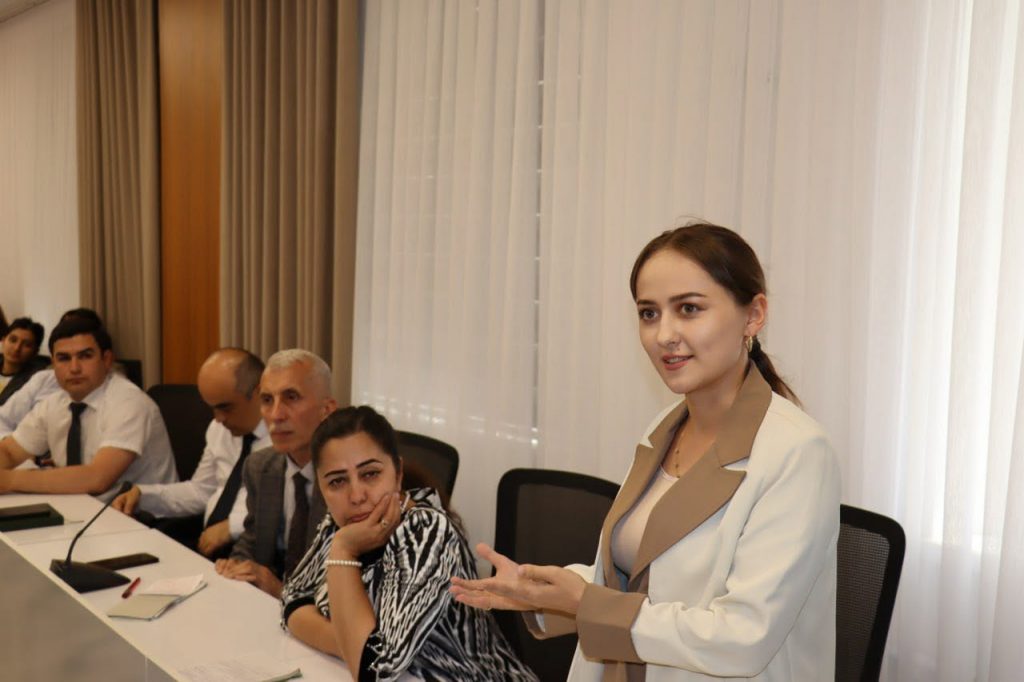
At the conclusion of the seminar, an interactive discussion and question-and-answer session took place between the international expert and participants, during which useful recommendations and opinions were exchanged.
The Ramsar Convention on Wetlands of International Importance is considered one of the first and most important international environmental agreements in the world. The Secretariat of the Convention is headquartered in Gland, Switzerland, alongside the International Union for Conservation of Nature (IUCN), and more than 170 countries are parties to the Convention.
The Republic of Tajikistan, recognized for its unique aquatic and wetland ecosystems, particularly as habitats for migratory birds, officially acceded to the Ramsar Convention in 2001.
Five sites in Tajikistan have been included in the Ramsar List of Wetlands of International Importance:
- Karakul (2001)
- Shorkul and Rangkul (2001)
- Zorkul (2001)
- Pyanj River – Tugai Forest Zone (2001)
- Kayrakkum Reservoir (2011)