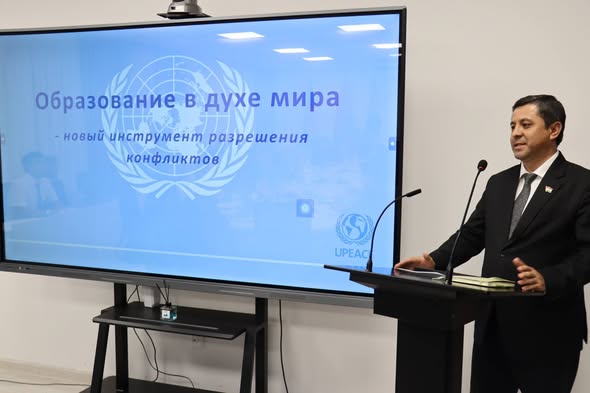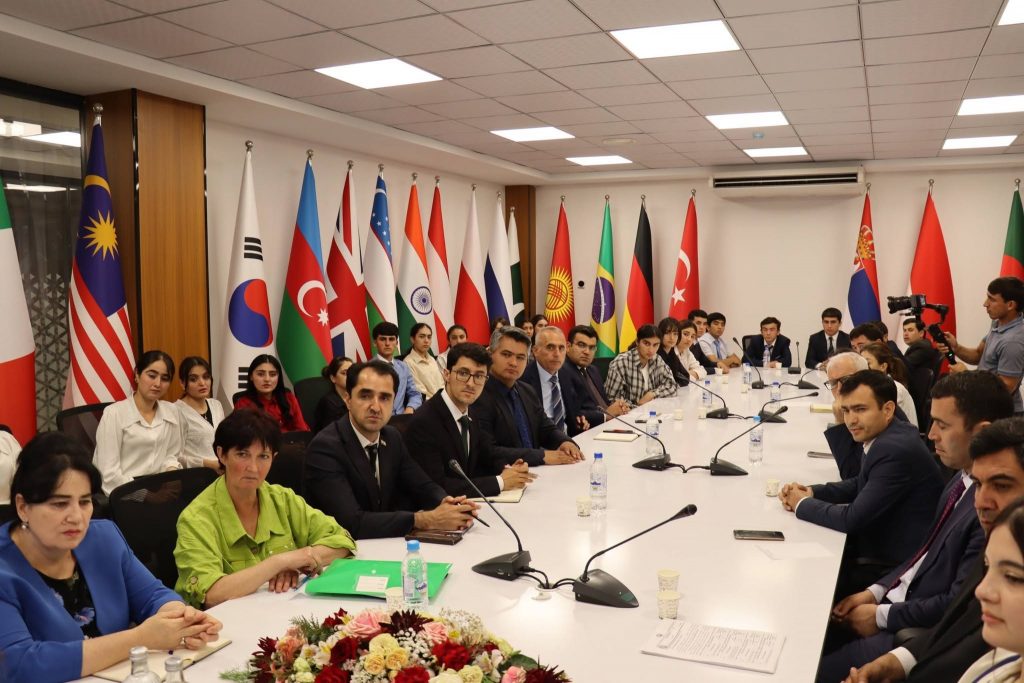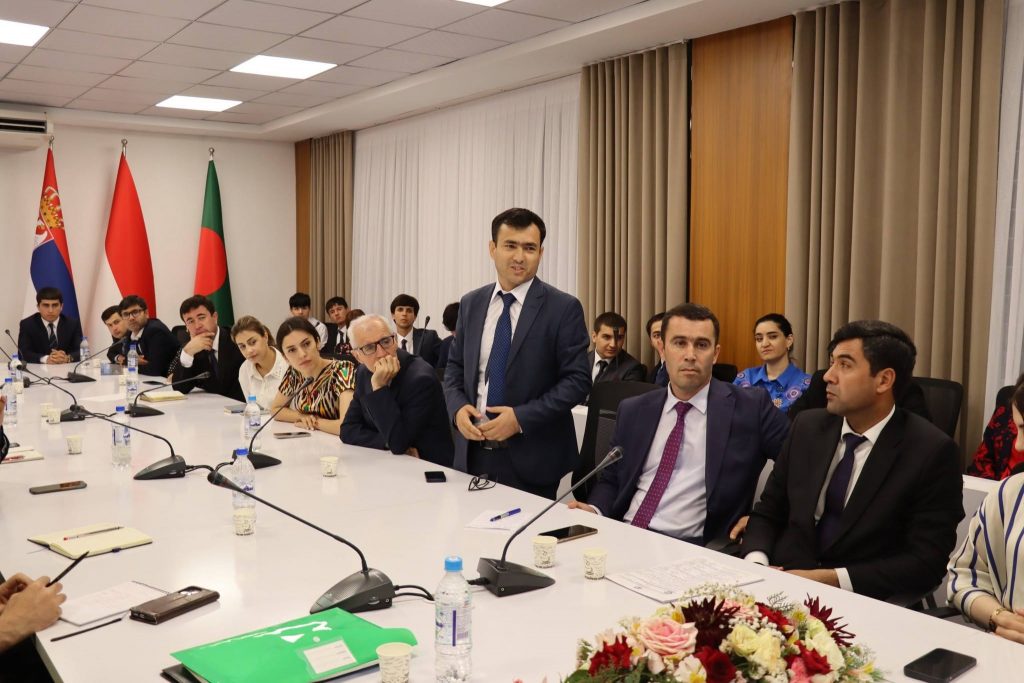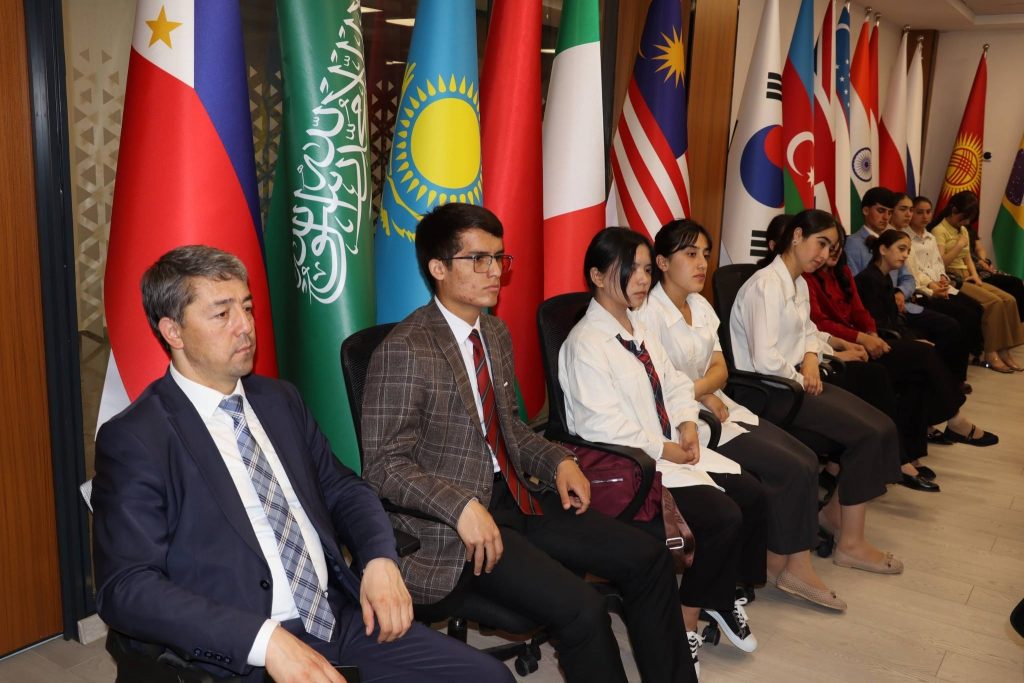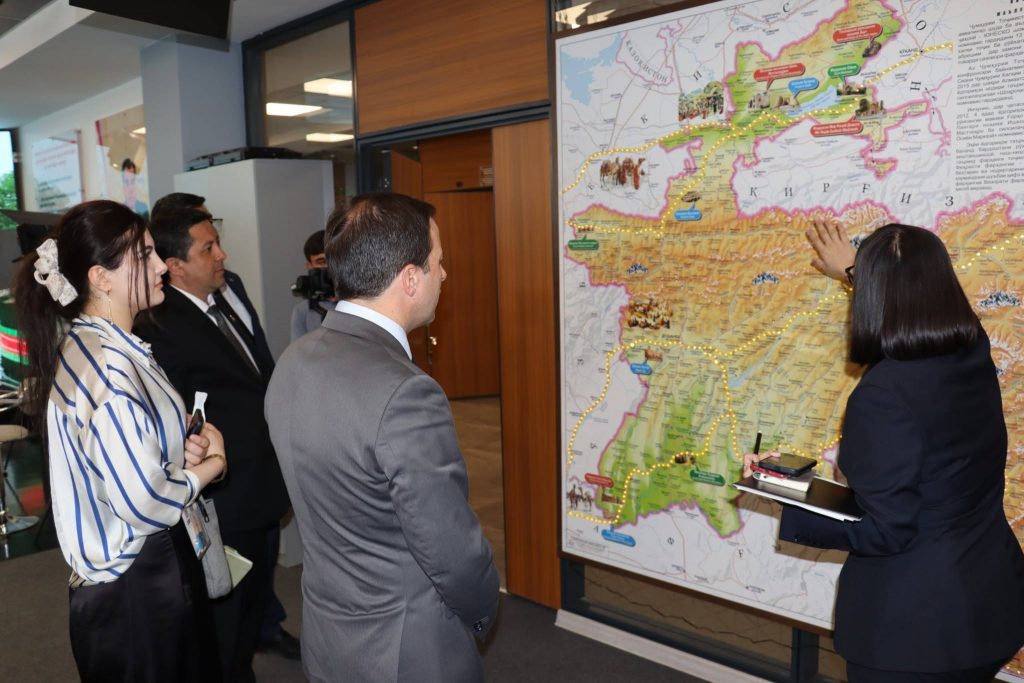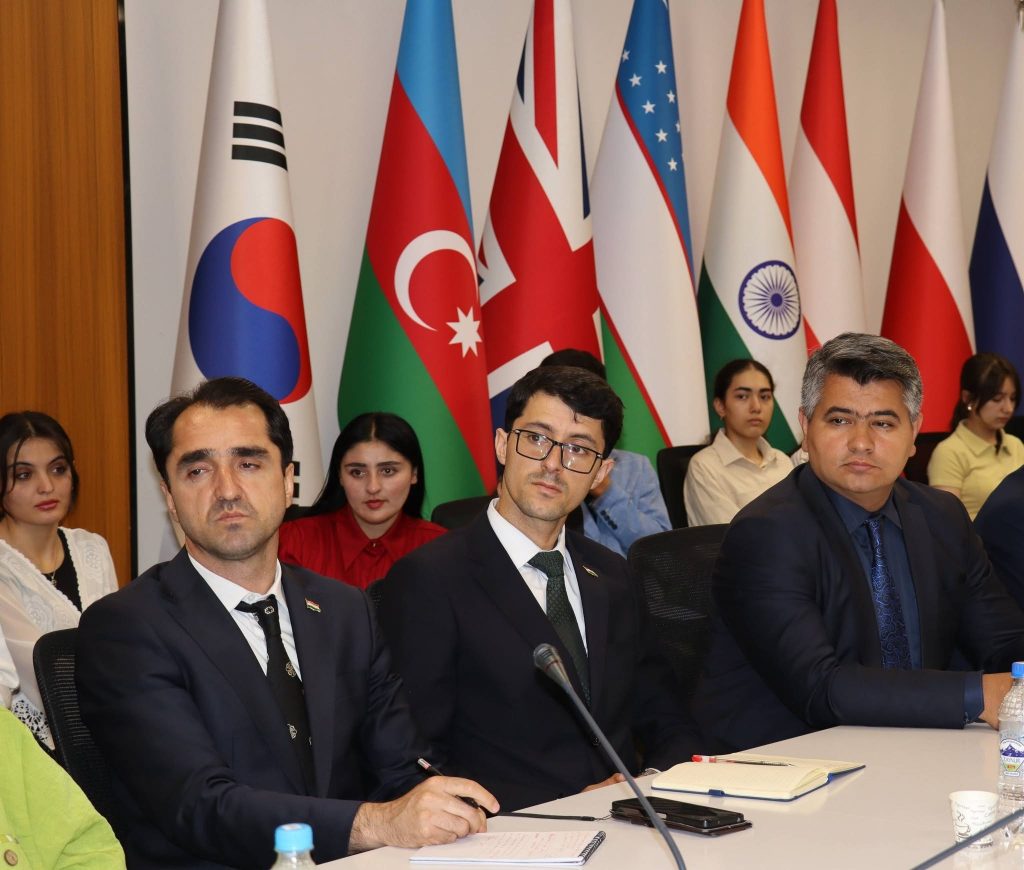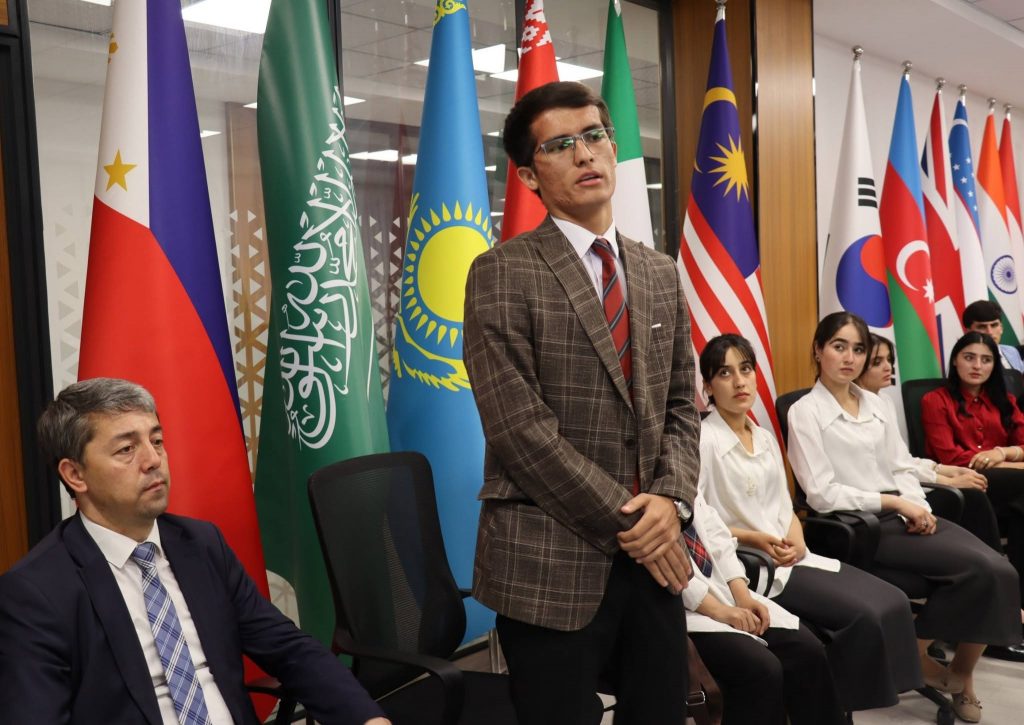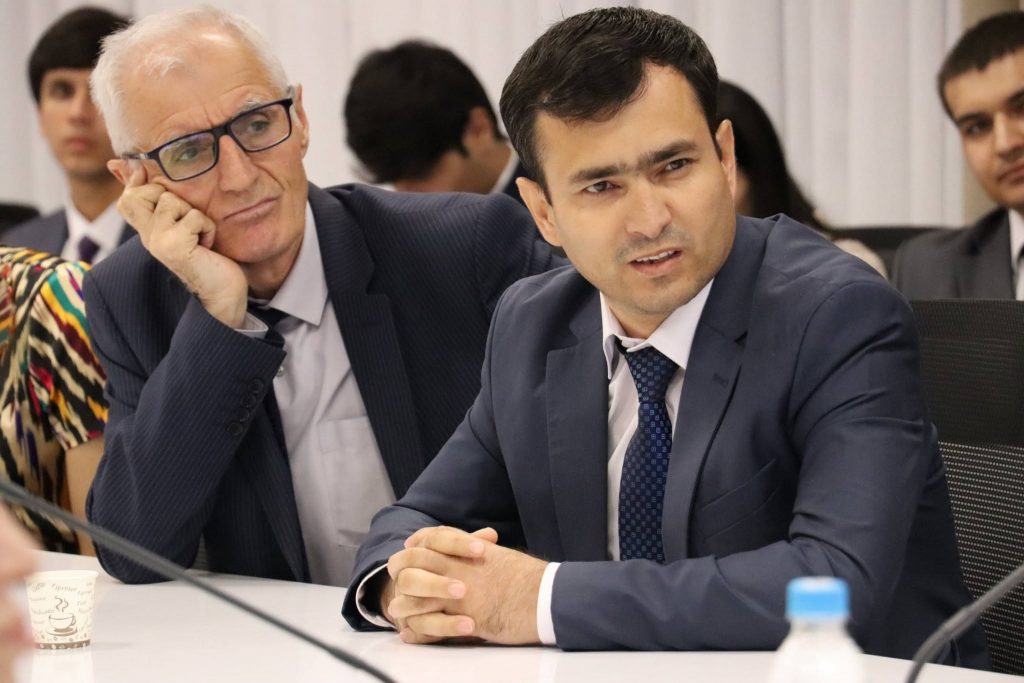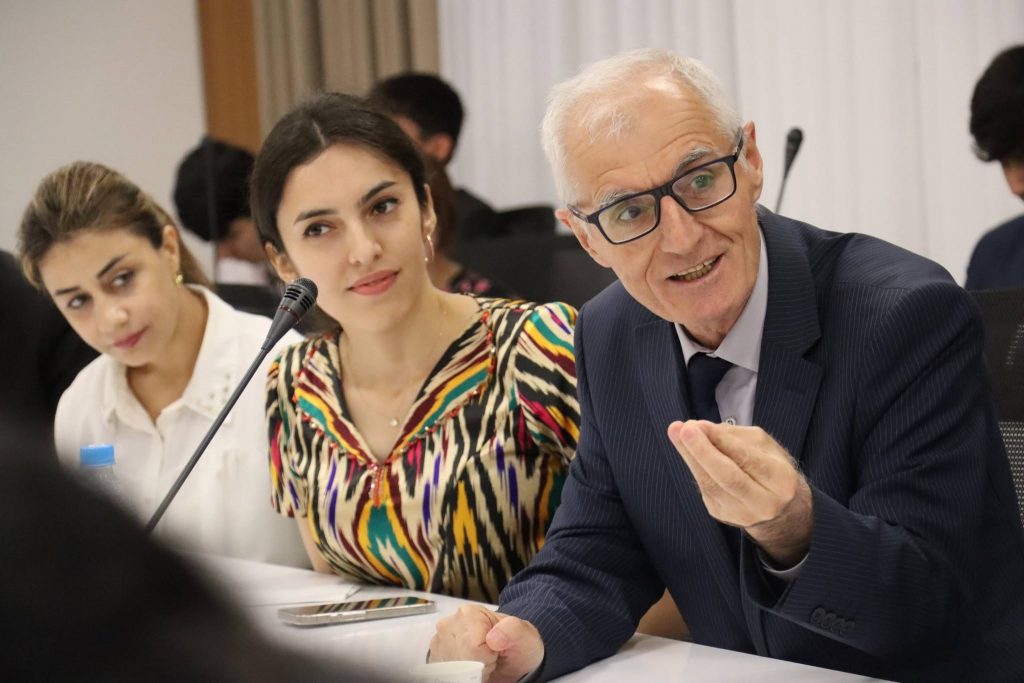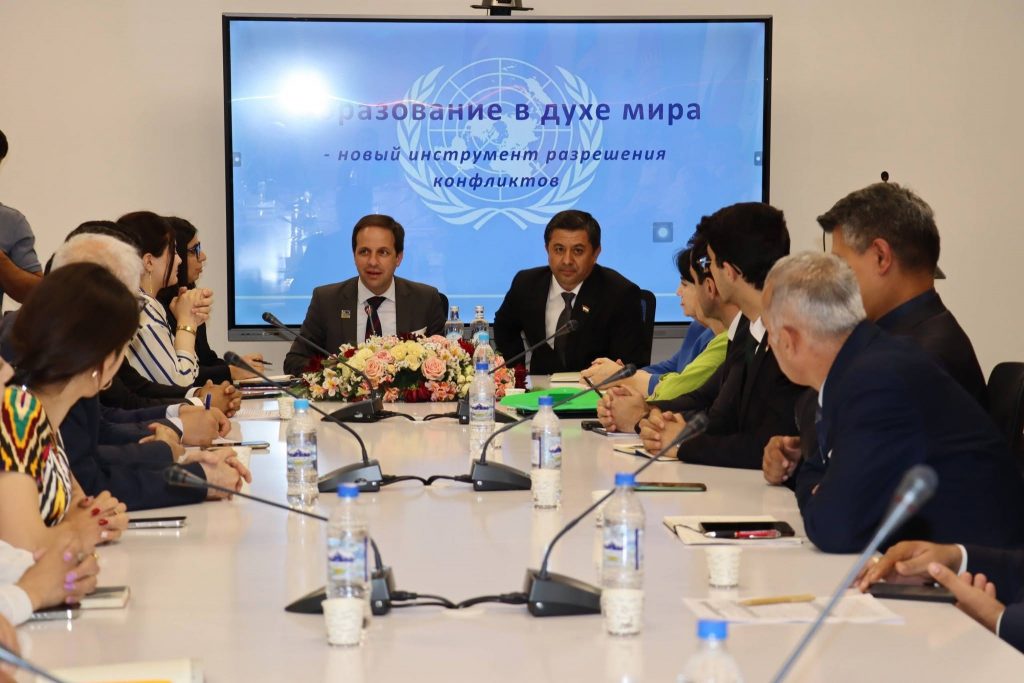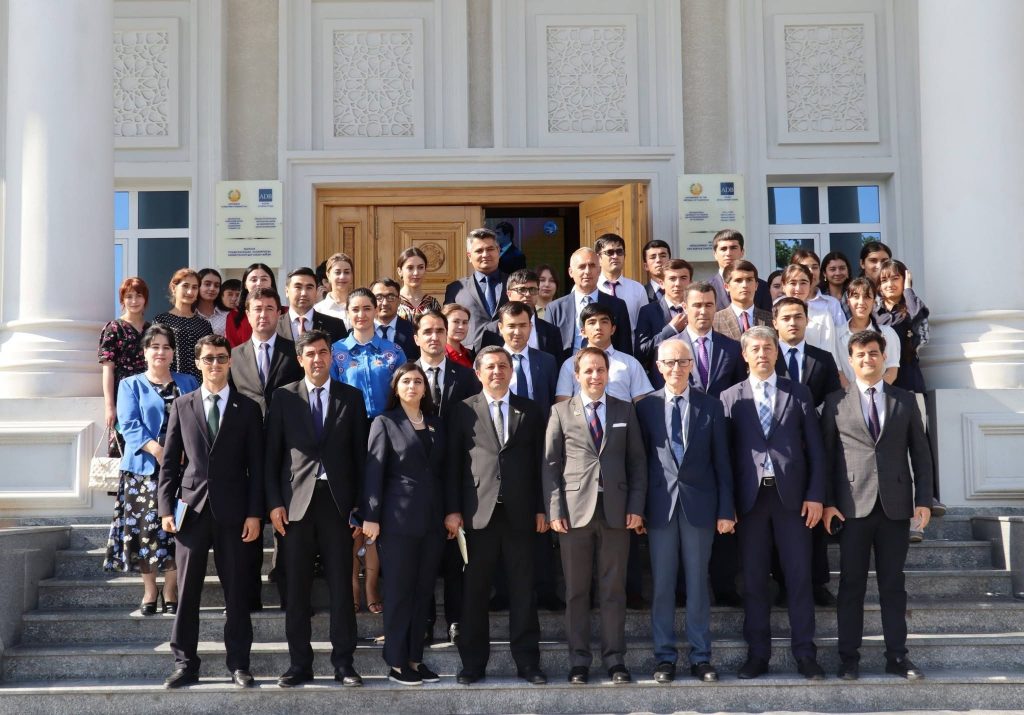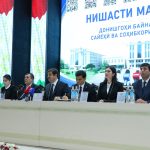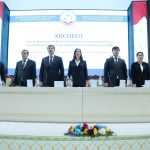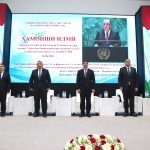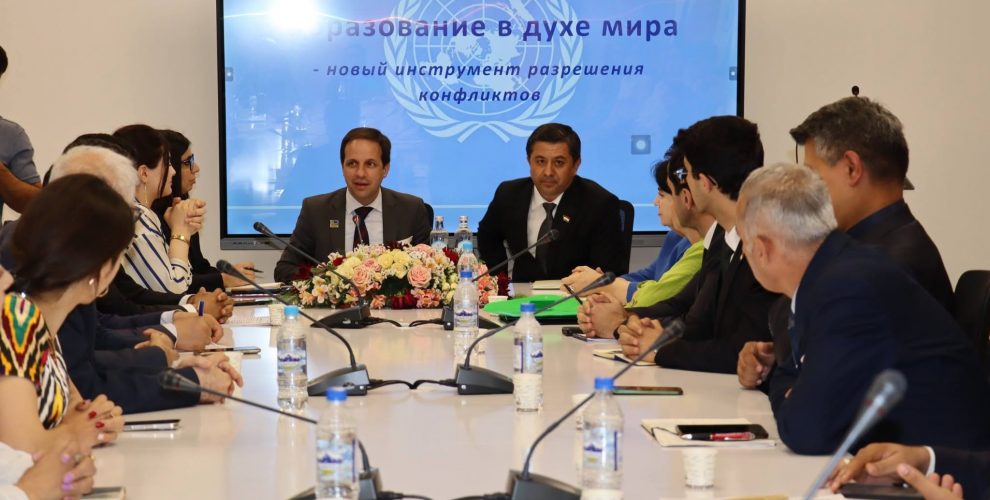
DUSHANBE, May 26, 2026 — Under this title, a high-level open lecture was held at the International University of Tourism and Entrepreneurship of Tajikistan with the participation of the Permanent Representative of the United Nations University for Peace (UPEACE), Ambassador David Fernández Puyana.
The distinguished guest began his lecture with an in-depth analysis of Tajikistan’s foreign policy, explaining to faculty members and students the key aspects of the peacebuilding school established by the Founder of Peace and National Unity, Leader of the Nation, President of the Republic of Tajikistan, Emomali Rahmon.
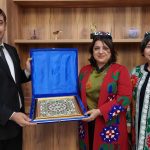
He also paid special attention to the presentation of the award and certificate of recognition from this prestigious global institution to President Emomali Rahmon.
During his speech, Ambassador David Fernández elaborated on the historic decision of the United Nations University for Peace, signed by Dr. Francisco Rojas Aravena. He emphasized that this unique award was being presented for the first time to a head of state from Central Asia and serves as a symbol of the international community’s profound respect for Emomali Rahmon’s peacebuilding legacy.
He noted that the United Nations regards Tajikistan’s experience in resolving border-related issues, including the signing of the historic agreement on the junction point of the state borders of Tajikistan, Kyrgyzstan, and Uzbekistan, as well as the adoption of the Khujand Declaration on Eternal Friendship, as an exemplary model of respect for sovereignty and adherence to the UN Charter.
During the lecture, the representative of the United Nations University for Peace also highly praised the global water and climate initiatives of the President of Tajikistan, including the International Decade for Action “Water for Sustainable Development, 2018–2028,” the resolution on the Decade of Action for Mountains and Glacier Protection, and the new proposal for a “Decade for Strengthening Peace for Future Generations,” describing them as a solid foundation for ecological peace and global security.
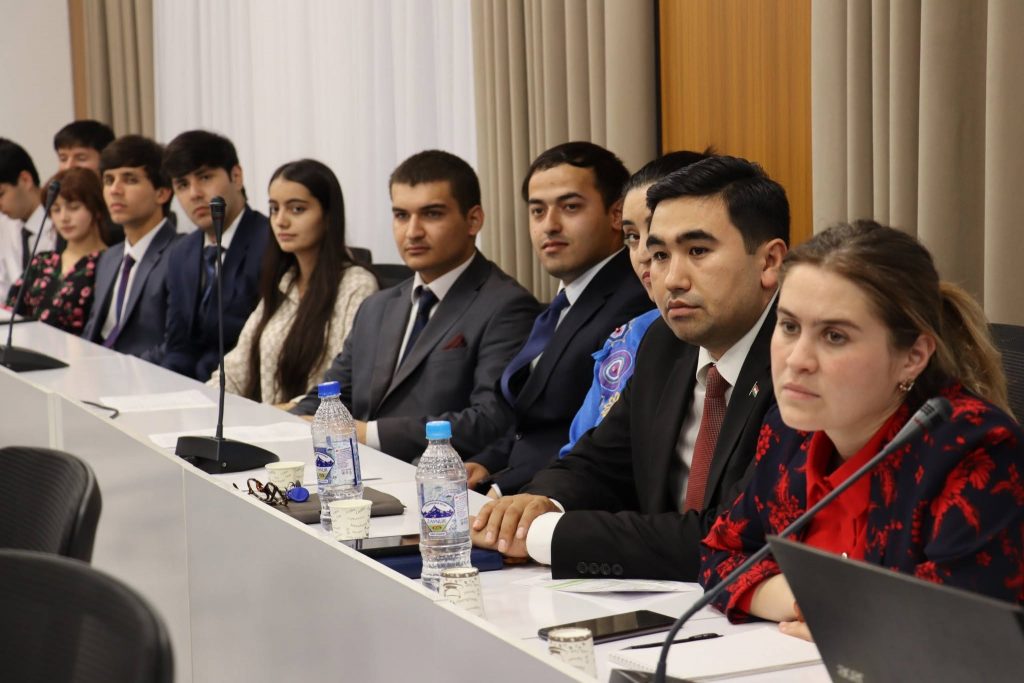
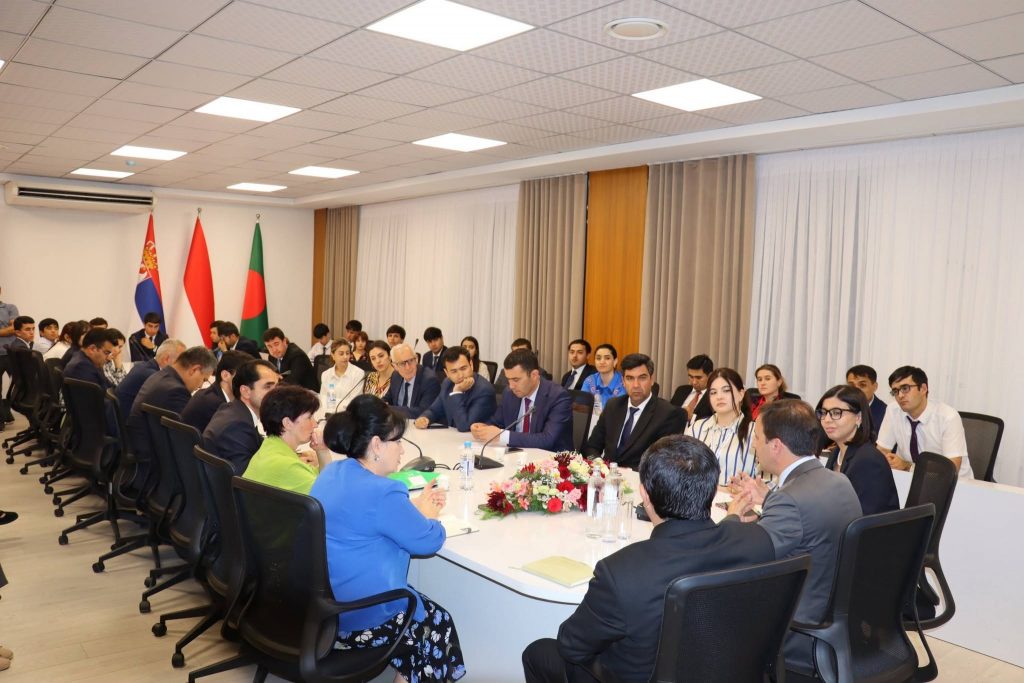
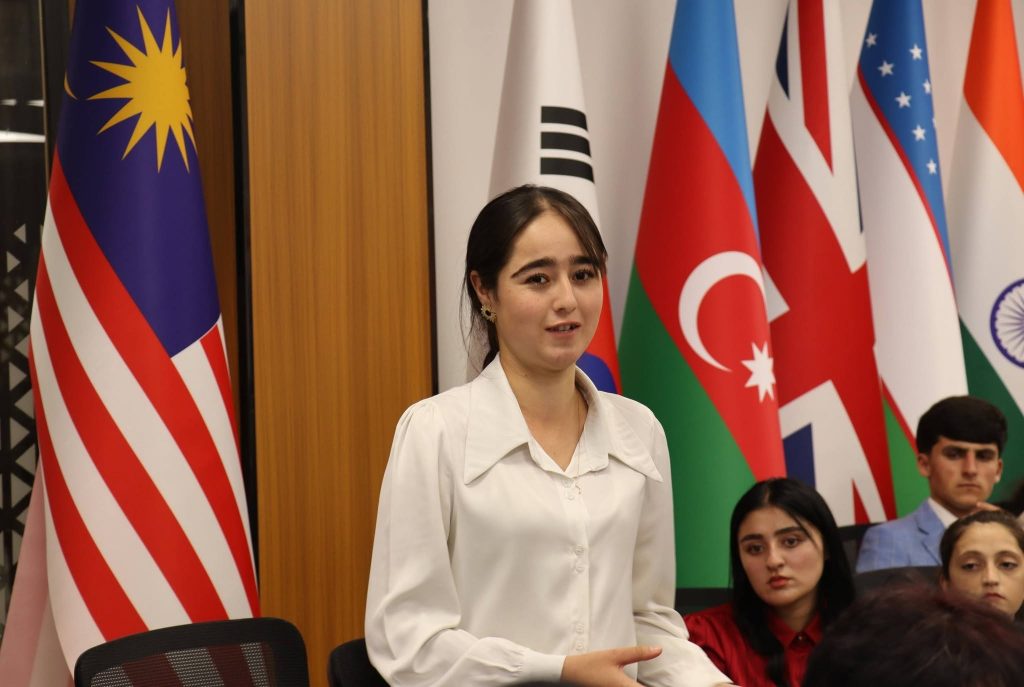
For the university’s students and young people, the lecture became a unique lesson in diplomacy and civic awareness. Participants had the opportunity to hear directly from an official representative of the United Nations University for Peace about the historical significance of the award and the key role of the Leader of the Nation in shaping a new system of international cooperation.