Against the backdrop of the fraternal relations between Tajikistan and Uzbekistan and the International Forum “Cooperation for Sustainable Development: Green. Digital. Intelligent,” academic cooperation between higher education institutions of the two countries continues to reach new heights.
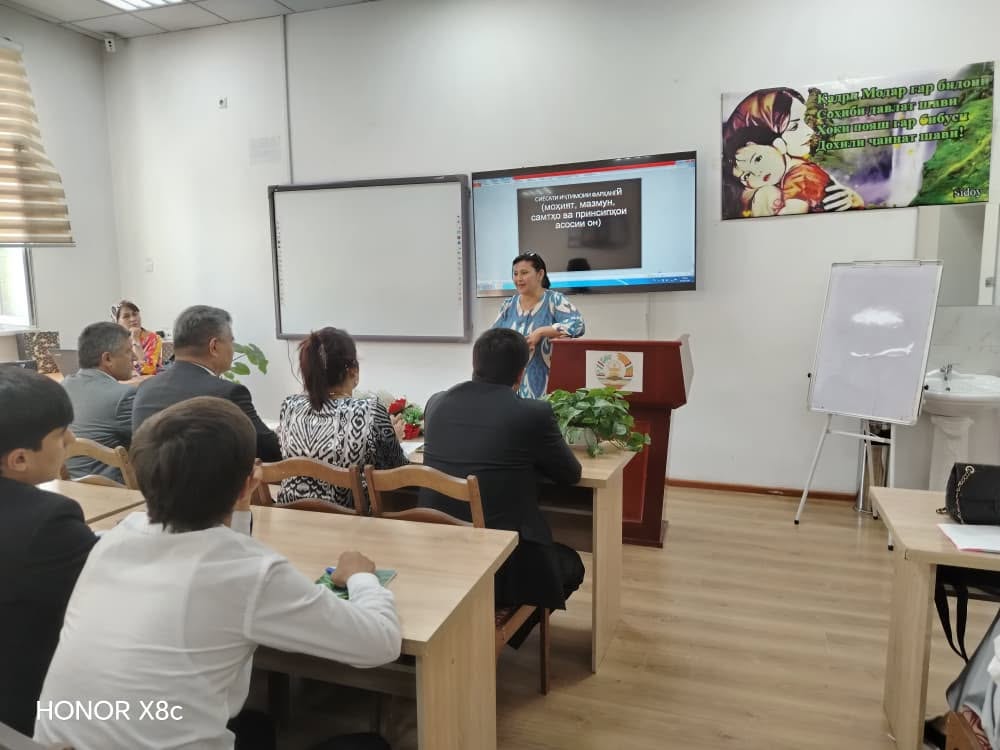
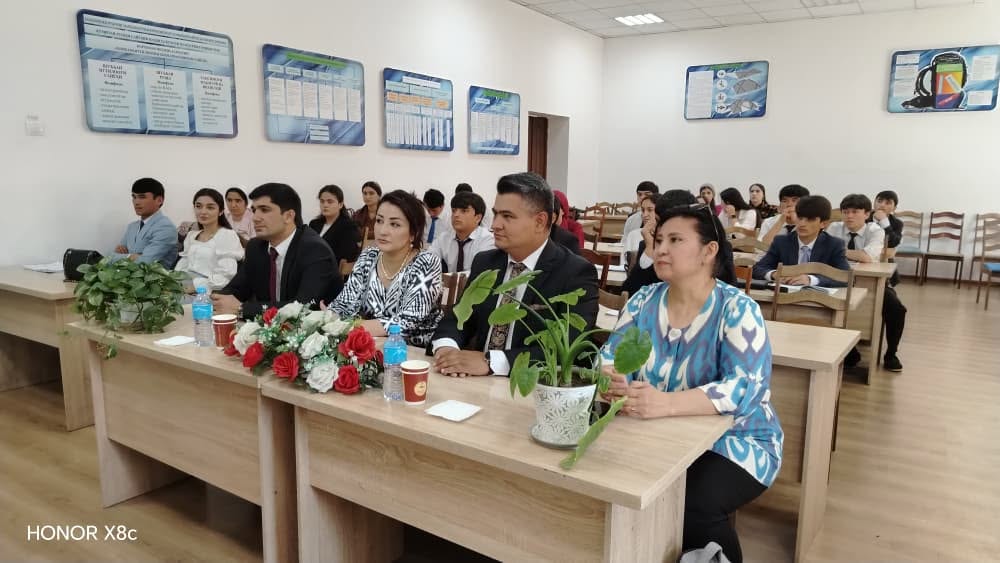
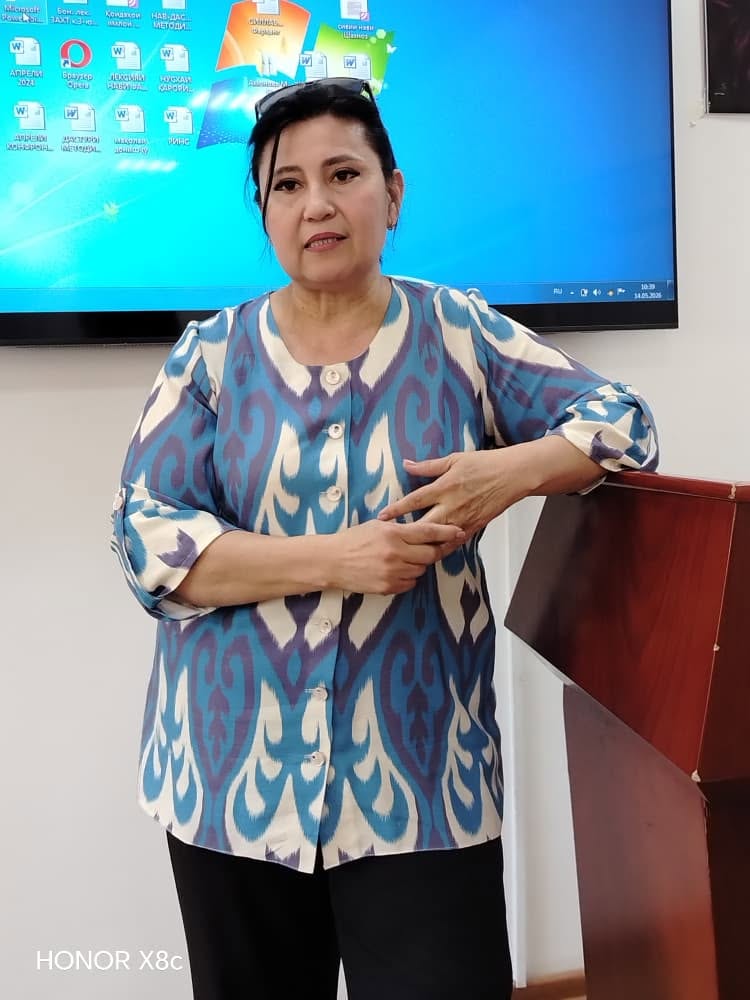
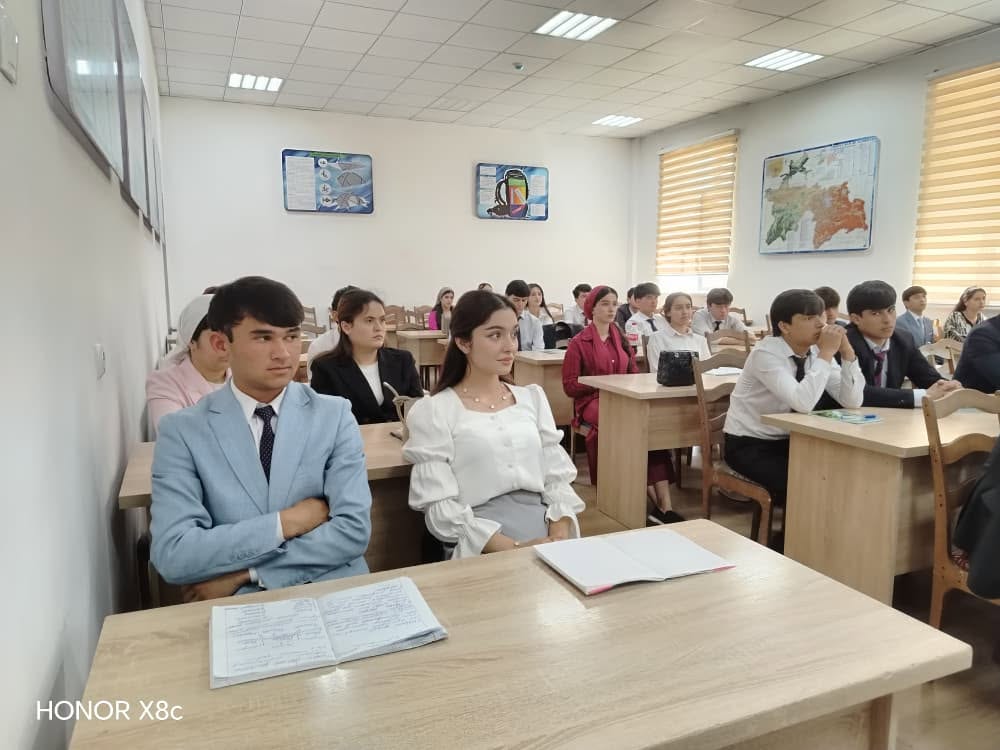
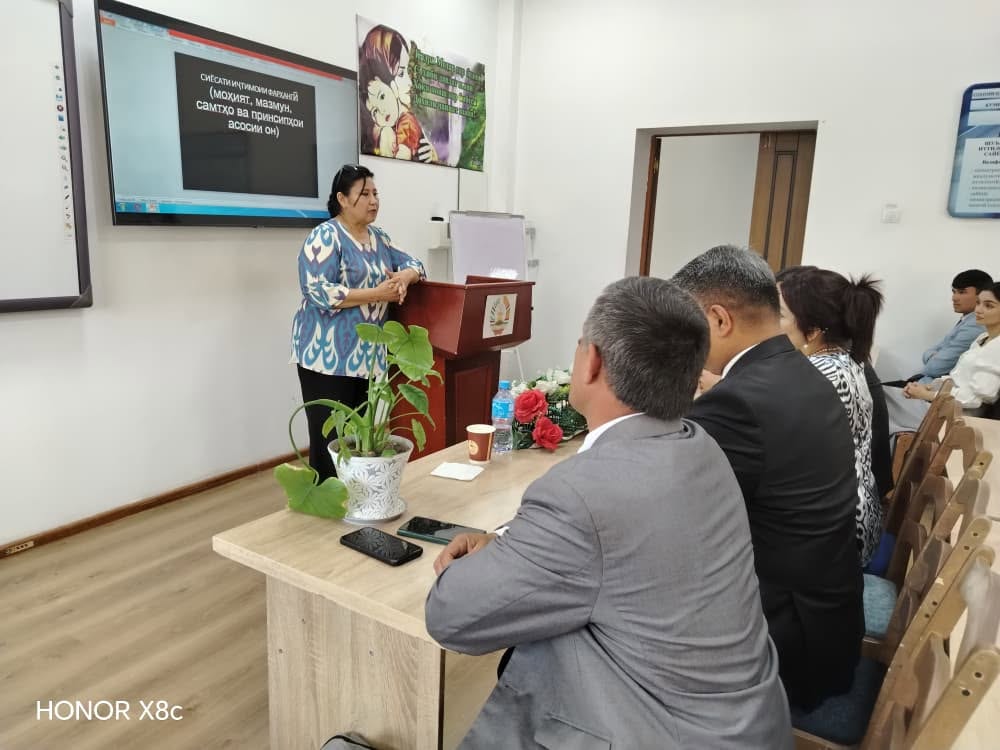
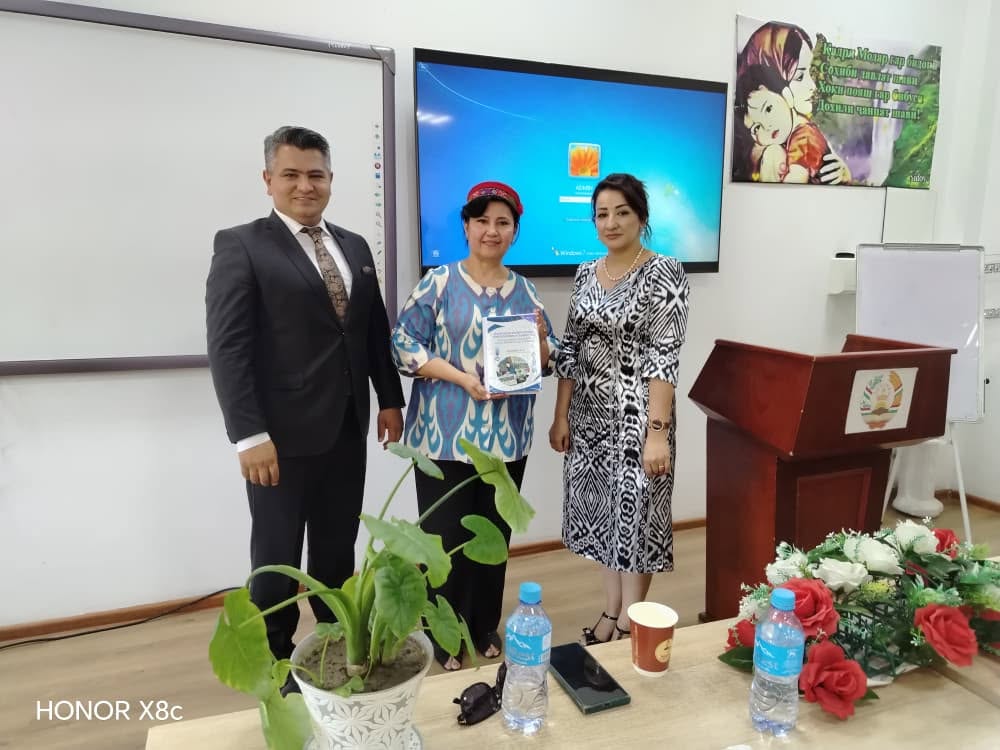
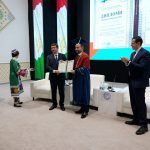
A clear example of this cooperation was the practical open lecture organized by the Department of Language and Culture of the Faculty of Humanities and Pedagogy of the International University of Tourism and Entrepreneurship of Tajikistan. The event featured Nargis Sunnatovna Qosimova, eco-journalist, media trainer, head of the websites www.ekolog.uz and www.factchecker.uz, Doctor of Philological Sciences, and Professor at the University of Journalism and Mass Communications of Uzbekistan. The lecture was devoted to “Current Issues in International Journalism” and was actively attended by faculty members and first- and second-year students majoring in International Journalism.
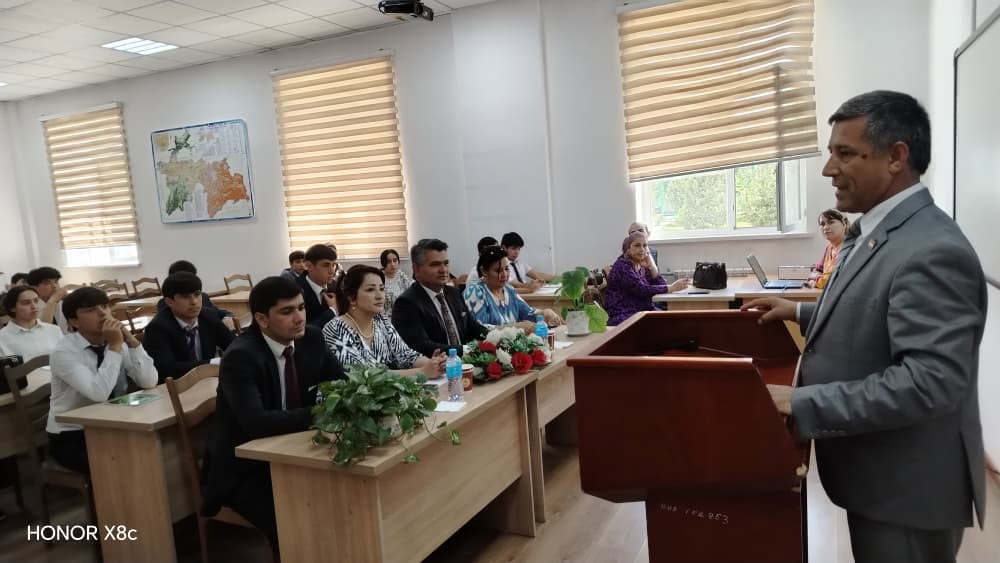
The event was opened by the Dean of the Faculty, Kholnazar Nazarzoda, Candidate of Pedagogical Sciences, who spoke about the importance and necessity of organizing such meetings. He emphasized that the purpose of the open practical lecture was to familiarize participants with new trends in regional media and to enhance the professional skills of future journalists.
The Head of the Department, Guljahon Abdurahmonzoda, Candidate of Philological Sciences, noted that conducting practical classes with internationally recognized experts enables students to align their theoretical knowledge with the real demands of the global labor market.
Doctor of Philological Sciences and Professor Ilhomjon Inomzoda Hamidiyon welcomed the guest and conducted the session using the interactive “Teacher–Student” dialogue method. The active exchange of questions and answers between students, faculty members, and the visiting professor demonstrated that modern teaching methodologies should focus on interactivity and the development of critical thinking. In this regard, the International University of Tourism and Entrepreneurship of Tajikistan was recognized as setting a commendable example.
The core content of Professor Nargis Qosimova’s lecture focused on two key scientific and methodological areas:
1. Eco-Journalism as a Factor of Sustainable Development
Drawing on the experience of her website www.ekolog.uz, Professor Qosimova demonstrated how modern journalists can contribute to addressing environmental challenges and promoting environmentally conscious thinking within society. This topic is particularly relevant for Tajikistan, which plays a leading role in global initiatives related to water resources and climate issues.
2. Fact-Checking
In the era of digital transformation, combating disinformation and fake news has become a top priority. Through the presentation of specialized platforms and practical examples, students learned scientific approaches to distinguishing facts from falsehoods and methods for verifying information.
It is worth emphasizing that Professor Nargis Qosimova’s dual role as both a distinguished scholar and a practicing journalist enabled the lecture to be conducted at a high theoretical and methodological level.
During the session, participants discussed a wide range of contemporary journalism issues, including eco-journalism and environmental security, the role of the media in covering climate challenges in Central Asia, fact-checking, methods of combating fake news and misinformation in the digital environment, and the specific challenges journalists face in an era of globalization.
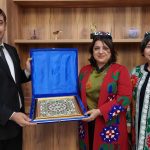
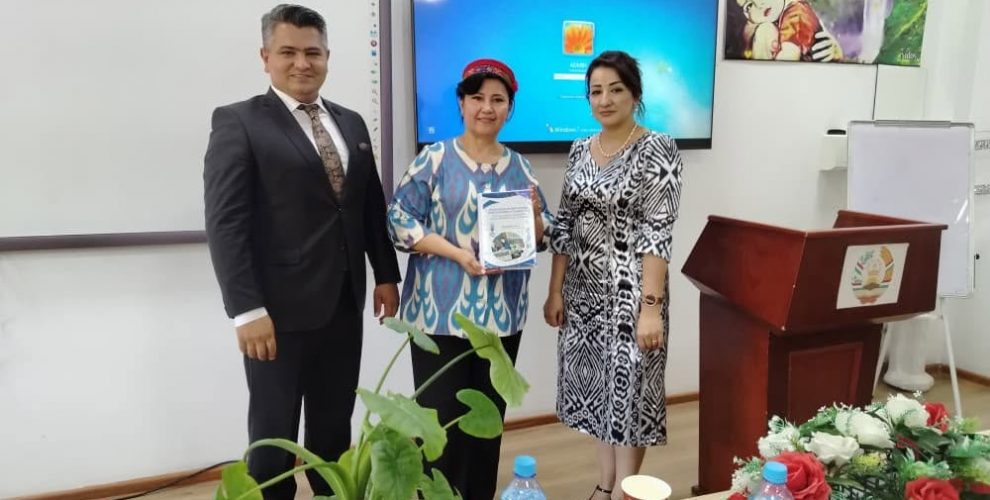
At the conclusion of the event, faculty members presented the distinguished guest with national souvenirs and books as a token of appreciation.